Become and Unbecome, Unveil and Recover
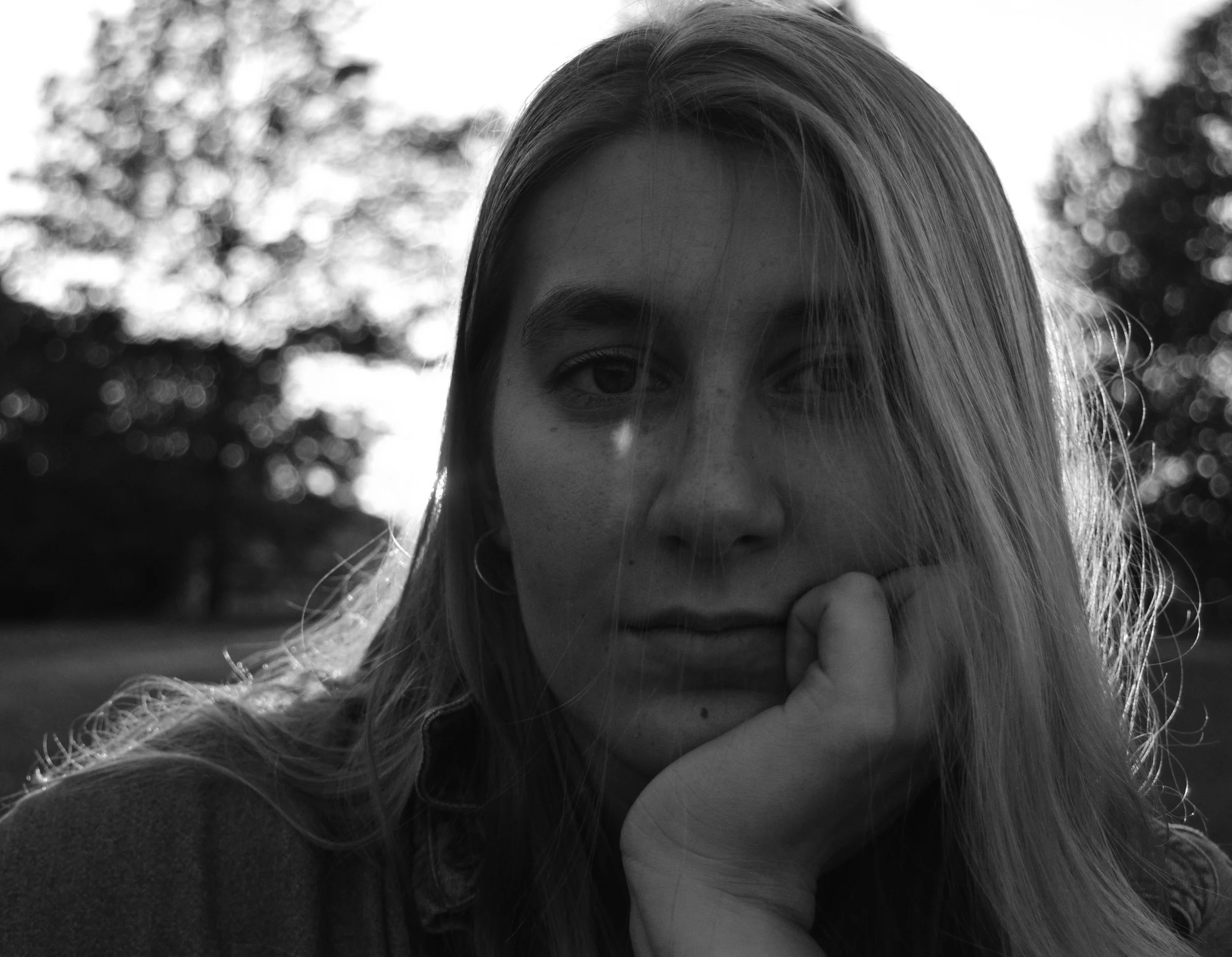
Yellow Arrow Publishing would like to announce the next guest editor for Yellow Arrow Journal, Darah Schillinger. Darah will oversee the creation of our Vol. X, No. 2 issue (fall 2025). This next issue of Yellow Arrow Journal examines the aftermath and aftereffects of catalytic moments, forged from either small flash fires or conflagration. It will reflect on our (collective/individual) experiences with the blazes, trials, and/or life events that shape both our present and imagined futures as we search for our path(s) forward.
MARK YOUR CALENDARS:
Theme announcement: July 21
Submissions open: August 1
Submissions close: August 31
Issue release: November 11
Darah Schillinger (she/her) is a writer based in Lexington Park, Maryland. Her poems have appeared in AVATAR Literary Magazine, Yellow Arrow Journal, Maryland Bards Poetry Review, Empyrean Magazine, Grub Street Magazine, and The Eunoia Review and on the Spillwords Press website. In October 2024, her poem, An elegy for the Pompeii woman the Internet wants to fuck, was named a finalist for the Montreal International Poetry Prize. Her first poetry chapbook, when the daffodils die, was released in July 2022 by Yellow Arrow Publishing. Her second collection, Still Warm, is a work in progress.
Please follow Yellow Arrow on Facebook and Instagram for the theme announcement. Below, Darah explains how moments of her life, even those painful, helped to shape the person she is today. By working through the aftermaths of each moment, each event, Darah was able to discover more about who she is and who she wants to be. We look forward to working with Darah over the next few months and can’t wait to hear your words.
The following contains description of trauma
By Darah Schillinger
When I was seven years old, my father’s brother passed away suddenly, and I was told he had suffered a heart attack. It wasn’t until I was 15 that I learned he was bipolar and had violently taken his own life after multiple attempts over the years, and that my parents had protected me from knowing about his struggle with depression. As a child, mental illness was not discussed in my household because it was often synonymous with substance abuse, or rage, or betrayal. Testing and therapy were not considered, and if a family member was showing obvious signs or symptoms of an illness, it was whispered about in car rides before holidays or hushed corners of my grandmother’s house between dinner and dessert. We rarely spoke of my uncle, a veteran; by all accounts an angry man who failed, or was failed by, the system.
In middle school, I gravitated toward the “funny” kids that seemed to only fit in with each other. Looking back, they were all neurodivergent in some way, though we hadn’t been given a word for it yet. Many of them also identified as bisexual, or lesbian, or queer, and I was bestowed the honor of “the token straight friend” of the group, which I carried for years with pride. When my friends began confiding in me about their depression, or their social anxiety, or inability to understand social cues, I listened and did my best to remain empathetic, though I often struggled to understand because I had never experienced what they were describing. Growing up, I was considered a happy, outgoing, high-achieving kid with a stable home life. The one time I was tested for ADHD, the child psychiatrist told my parents I was just smart and bored, so I was acting out, which they proudly told to the rest of the family. In this way, I became the “token neurotypical friend,” too, though I wouldn’t confront this label for another decade.
I didn’t find many large pieces of my identity, such as my queerness, my chronic illness, or my mental illness, until I was a young adult. I spent my entire childhood wrongly labelled an ally to the queer and disabled communities, when, in reality, I was a part of the communities the entire time. But with all these aspects of my identity, there is a doubt that creeps into their legitimacy. I am mentally ill, but I’m “high functioning.” I am queer, but in a straight passing relationship. I am chronically ill but carry forward an invisible illness. I pose every day as a supportive ally when, in reality, I am a rightful member of the communities I serve, and this dichotomy often seeps into my writing. So, when I began brainstorming themes for this upcoming issue of Yellow Arrow Journal, I kept thinking about my uncle and my need for answers—for closure. In returning to these seemingly contradictory parts of myself, their discovery and their long-term effects on my identity, I am finding something entirely new.
There was a catalyst that accompanied each of my discoveries: a fatigue, or event, or an epiphany that led to me uncovering each buried part of myself. I discovered my bisexuality by chance during the first week of college, when I picked up a pin with the bisexual flag colors and allowed myself to consider, for the first time, my repressed feelings of attraction toward women. My chronic illness stemmed from a doctor’s visit after weeks of severe abdominal pain that was misdiagnosed twice before being taken seriously. My mental illness, which I have only this past June been formally diagnosed with, began as a minor inconvenience and turned into severe burnout that led to the beginnings of a nervous break. Even my uncle’s passing, though I can barely remember it now, was a catalyst for something I have yet to title or address.
Over the two and half decades of my life so far, I have become and unbecome, unveiled and recovered, so many parts of my identity that when I look at a picture of myself young (“straight, neurotypical, healthy”) I instead see a child that I haven’t spoken to in 20 years and wish well. As a writer, I have spent much of my adult life considering the aftermath of these catalysts, looking for meaning in them and the varied ways these moments have shaped my present and future. And while finding some kind of meaning, every now and then, I know, and am okay with the fact, that I will continue to discover new things about myself through these events.
In this issue of Yellow Arrow Journal, let’s reflect on our catalysts, the moments and memories that shape us, and the timeliness of the aftermath. In what ways has it shaped our identities? Our imagined futures? I invite you to take this submission period as an opportunity to dig into the core memories and catalysts until you find something worth writing about.
*****
Yellow Arrow Publishing is a nonprofit supporting women-identifying writers through publication and access to the literary arts. You can support us as we BLAZE a path for women-identifying creatives this year by purchasing one of our publications or a workshop from the Yellow Arrow bookstore, for yourself or as a gift, joining our newsletter, following us on Facebook or Instagram, or subscribing to our YouTube channel. Donations are appreciated via PayPal (staff@yellowarrowpublishing.com), Venmo (@yellowarrowpublishing), or US mail (PO Box 65185, Baltimore, Maryland 21209). More than anything, messages of support through any one of our channels are greatly appreciated.