Yellow Arrow Publishing Blog
Grub Street: Inspiring All Kinds of Writers

Interviews from fall 2020
Yellow Arrow Publishing has had several interns from Towson University’s Grub Street, so we wanted to share more about Grub Street and Grub Street Literary Magazine. Grub Street and Yellow Arrow Publishing have a shared connection through a love of the arts, specifically literature. Our fall 2020 marketing intern, Elaine Batty, interviewed Gel Derossi and Grace Jordan, current Editors-in-Chief, to get a better insight into the creation of Grub Street. You can find the latest issue, Volume 70, on the Grub Street website. A huge thank you to Grub Street staff for working around their busy schedules to tell Elaine all about Grub Street.
EB: What is Grub Street and how does it work?
Grub Street is Towson’s student-produced, award-winning literary magazine that publishes editions annually. This year is the 70th edition of Grub Street. Edition 68 won a Gold Circle Award for the 17th year in a row that Grub Street has been recognized. Six students accepted in edition 68 were also recognized and awarded. Grub Street publishes a print edition each year, but we also run a website in which we feature more works from writers and artists. Students enroll in a year-long class under a faculty advisor—this year and in most previous years, our faculty advisor is Jeannie Vanasco—and through this class, students receive roles within top managing positions, genre teams, and marketing and publicity.
Grub Street accepts works submitted online in poetry, fiction, nonfiction, and visual art, as well as genre-defiant works. Anyone can submit to Grub Street, not just Towson University students. Our high school contest also features work from one to two high school students; all of our submissions are reviewed by an accomplished author—last year’s was Jung Yung, critically acclaimed author of Shelter—and winners receive a $100 dollar prize.
Our genre teams work together in reading submissions and deciding what works to feature in print and/or online. We also maintain a “blind review process” in which the top managing positions move over submissions from our Submittable account and remove any identifying information so that all works are chosen based on the works themselves; this levels the playing field and makes everything fair.
Putting together a literary magazine requires honesty from its staff. It requires clear communication and conversations about topics of personal and societal importance. With the way Vanasco facilitates our conversations about submissions and taste and aesthetics and oppression, [we] personally, and [we] sense others do as well, feel encouraged to speak up, even if [we] don’t speak perfectly and even if [we] might be wrong. Grub Street feels like a community. We talk to each other with what feels like an elevated form of respect. We honor the opinions of our classmates and [we] hope that everyone feels like every opinion of our staff is equally valuable. We all stand behind our mission of inclusivity and diversity and representation for marginalized identities.
EB: In what way do you feel Grub Street benefits Towson students as well as the community?
The ways in which Grub Street benefits students is vast: Grub Street gives undergraduate students the opportunity to get their hands into all types of work within the publishing and literary field. You don’t need prior experience to be involved in Grub Street, but you will leave with concrete experience within copyediting, reading submissions, marketing, [and] designing, and leave with a physical, new print edition of Grub Street that you and your team created together.
Grub Street also strives to engage within the Baltimore community. We distribute our print edition at book festivals, conferences, and other Baltimore-based universities, and are also working on distributing our issues to prisons.
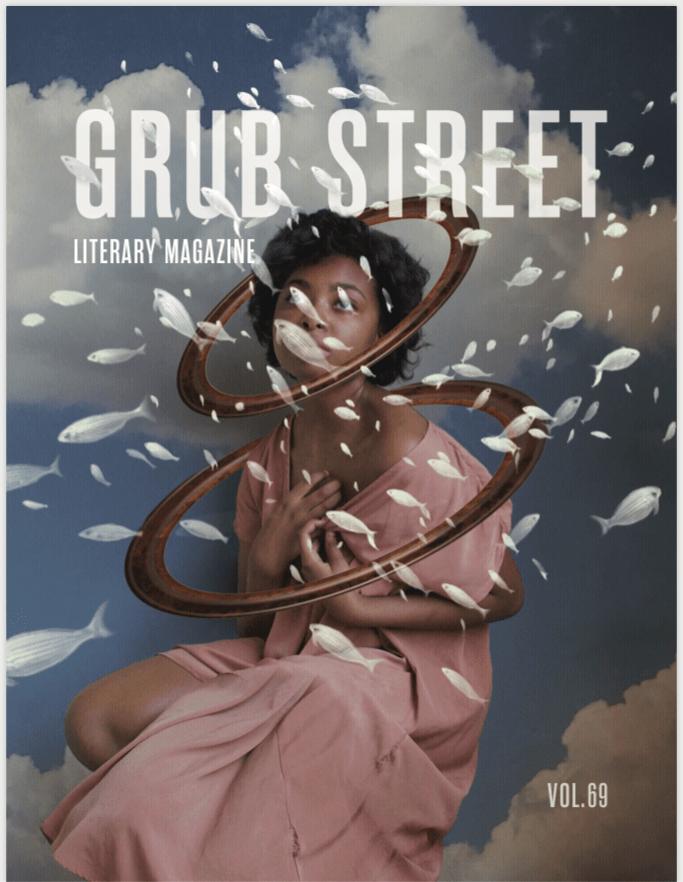
Yellow Arrow’s Editor-in-Chief, Kapua Iao, also asked Brenna Ebner (fall 2020 publication intern and current CNF Managing Editor for Yellow Arrow, and Editor-in-Chief of Grub Street, volume 69) further questions about her experiences.
KCI: Where does the name ‘Grub Street’ come from?
It was originally an address in London back in the 18th century where low-end publishers and “hack writers” were found competing to make a living from their works. People there dealt with hard critiques, became targets of satire, and scuffled over plagiarism. Their literary world was cutthroat with aspiring writers constantly putting out new work to get noticed and no copyright laws to protect anyone’s writing. Our name commemorates that and the ways in which writing, publishing, and editing has evolved from that structure but still remains just as competitive and passionate. Dr. George Hahn, an English Professor and past chair of the Department of English, has a great explanation of Grub Street’s name included in each issue as well.
KCI: Can you explain more about how students get involved with Grub Street?
It’s a class at Towson actually! You can take it either first or second semester, but it typically is best to do both in order for sake of consistency in the magazine. If being on staff isn’t of interest to those who want to get involved, they can easily submit multiple pieces (there is of course a cap to the amount depending on the genre) and become a contributor. That option is available to everyone, too—not just students. Copies are free as well so if participating in those ways still aren’t of any interest, anyone could become a reader and supporter of Grub Street that way. We welcome everyone at the launch parties to celebrate with us (when they aren’t shut down for [COVID-19 regulations]) and to enjoy PDF copies online.
KCI: How does someone become Editor-in-Chief of Grub Street?
Recently it’s been . . . based on previous experience (have they taken Grub Street before?), performance as a student (good grades, attendance, etc.), and graduation date, which Vanasco, current faculty advisor, considers and then chooses based on that. The position requires you to be able to commit for the full school year, so we want someone that is reliable, committed, hardworking, and available. They’ll be in charge of the whole process: picking staff positions, making sure we stay on schedule, having final say on pieces we include and editing them, how the website is run, communicating between genre teams and the creative services department and faculty advisor, organizing the launch party, everything! The faculty advisor helps immensely though so it isn’t quite as overwhelming and the managing editors take on a large bulk of the process as well, such as the high school contest, weighing in on design and layout decisions, communication between staff, and much more. The whole staff is a strong support system but ultimately the Editor-in-Chief has to oversee it with the faculty advisor supervising and guiding.
KCI: What has your experience taught you?
Grub Street was what ultimately helped me figure out what I wanted to do in life after college. It gave me the direction and experience I needed to understand that editing and publishing was the career I wanted to pursue and could, and I can’t thank Vanasco enough for giving me that opportunity. I also don’t think anything could have prepared me for what to expect stepping into that kind of leadership role, too, but it helped me grow immensely on a professional level and taught me a great deal about myself. I never realized how much work went into publishing and editing until I got to be part of the process. When I pick up any piece of literature now, I think about all the people who put in the work to get it into my hands and in that polished state. For literary magazines and journals, specifically, I think about how between the covers is a space that has been created by multiple people for multiple people to express themselves and help them feel like they belong somewhere and to something. There’s a whole new appreciation for something I certainly took for granted previously and I want to continue to be a part of it.
Elaine Batty is a student at Towson University graduating with a BS in English on the literature track. Her poetry has been featured in the College of Southern Maryland’s Connections literary magazine. In her free time, she enjoys reading all genres of fiction, writing poetry, and playing with her two cats, Catlynn and Cleocatra. Elaine’s two real passions are literature and travel, and she plans to look for a job following graduation that will allow her to pursue both full time.
Gel Derossi (they/them) is a white, trans, neurodiverse person who reads, writes, and draws with a mission to create more representation for marginalized folks. They currently study creative writing at Towson University.
Brenna Ebner is a recent Towson University graduate and Editor-in-Chief of Grub Street Literary Magazine, volume 69. She has interned at both Mason Jar Press and Yellow Arrow Publishing and is looking forward to continuing to grow as an editor and establish herself in the publishing world.
Grace Jordan is one of the 2020–2021 Editors-in-Chief of Grub Street, along with [Gel]. She is a sophomore at Towson University, studying both Dance Performance and Choreography and English with a minor in creative writing. She is also a part of the Honors College. Find her on Instagram @graciejordan.
You can find Grub Street on Facebook, Twitter, or Instagram.
*****
Yellow Arrow Publishing is a nonprofit supporting women writers through publication and access to the literary arts.
Awaken and Reflect: Yellow Arrow Journal (Vol. VI, No. 1) RENASCENCE

When we first announced the theme of our just released Yellow Arrow Journal issue, Vol. VI, No. 1 (spring 2021), on RENASCENCE, we were eager to read through submissions and explore the idea of cultural resurrection through the eyes of diverse authors/artists that identify as women. And we received many thoughtful, wonderful pieces that explored the idea of a personal/cultural renaissance, reviving something that was once dormant. We thank everyone who took the time to send us their experiences and wish we could have published them all. That said, the chosen pieces and contributors resonated with Taína (our guest editor), the Yellow Arrow team, and each other in a way we did not expect. Alone, each piece explores a poignant moment in life. A reflection on a moment or even a lifetime of moments.
Together, as a complete issue, the pieces delve into personal and collective cultural identity and how we might view (and could view) moments or reflections we didn’t think to contemplate. As Taína states:
Some pieces are nostalgic, bittersweet gifts from the depths of our memories that we cling to, while others are terror-filled nightmares we cannot awaken from fast enough, and still others are calls to action that will not be ignored. Each included story is a petroglyph on a cave wall, a flag planted in paper and ink. Each author is an explorer of their own culture, not discovering or conquering—for the stories of our ancestors have always been there waiting—but acting as pioneers of the past, revisiting and reclaiming the deep-rooted whispers and reflecting them into the future.
Perfect-bound and PDF versions are now available from the Yellow Arrow bookstore. Discounts are also available (here) if you would like to purchase copies for friends and family (minimum purchase of five). You can also search for Yellow Arrow Journal on any e-book device or anywhere you purchase books, including Amazon and most other distribution channels.
If you preordered your paperback copy before today, you will receive your free PDF shortly. Thank you for following our prerelease Renascence LIVE! events and for supporting our contributors. And don’t forget to join us June 4 at 7:00 pm EST for Renascence: A Reading, featuring authors of the issue and hosted by Taína. Details and how to connect to the reading can be found here.
We hope you enjoy reading RENASCENCE as much as we enjoyed creating it. Thank you for your continued encouragement of Yellow Arrow Publishing and the women involved in RENASCENCE.
*****
Yellow Arrow is Publishing is a nonprofit supporting women writers through publication and access to the literary arts. Thank you for supporting independent publishing.
When Writing Holds Weight

Board and staff at Yellow Arrow Publishing would like to thank Michelle Lin, our marketing intern, for all of her hard work over the past few months. As an essential part of our marketing team, Michelle created marketing campaigns and promotional images, supported past and upcoming publications, and provided extra help wherever it was needed. You can see her words and her images on Yellow Arrow’s Facebook and Instagram. We are thrilled that Michelle will continue to put her spin and her charm on Yellow Arrow promotions after her internship ends.
From Jennifer N. Shannon, our Marketing Director: Michelle has been an invaluable part of the marketing team for Yellow Arrow Publishing essentially since I began. To be honest, without her, much of the success and growth within our social media presence and our newsletters would not have happened. Michelle’s work ethic and energy around Yellow Arrow’s mission, along with her desire to learn, is infectious and I don’t know what I’d do without her! I am so happy she wants to stay on after her internship is over. Thank you, Michelle, you are awesome!
Michelle graduates this spring 2021 from Towson University. She had previously worked as the Online Poetry Editor for volume 69 of Towson University’s Literary Magazine Grub Street. Michelle currently lives in Lutherville – Timonium, Maryland. During her free time, she enjoys reading and writing poetry, and playing guitar. To read her writing, follow her on Instagram @m.l_writes.
We would love for Michelle to explain why poetry means so much to her.
by Michelle Lin, from March 2021
I first started writing poetry consistently at the age of 16. Over the years, writing quickly became a coping mechanism as well as a hobby for me. It has influenced the way that I approach writing both academically and leisurely, where most of my pieces would often be written at really odd hours of the night while listening to music. Depending on the type of content that I was working on, the writing process, which includes prewriting and editing, could take up to three or more days. However, one thing that I did not entirely anticipate that would come out of my experience of writing poetry was how it would teach me to have confidence in who I am as an individual and how it can serve as a tool to help others feel seen and understood.
I’ve always looked at poetry as the language of the heart. It’s vulnerable, unfiltered, unpredictable, and yet incredibly powerful in how it helps a writer stay in tune with their headspace. When a writer chooses to share a piece with others it invites the reader to connect with them emotionally. This state of vulnerability was one that I once feared at first as a writer because I defined as a lesbian.
When I was growing up the topic of being LGBTQ+ wasn’t discussed that often within my household. Of course, there was the conversation of “What if we brought home a person of the same gender?” that would be brought up every once in a while, but the topic of being gay was never something that was spoken about in-depth. Even with the content that my siblings and I consumed as kids, whether this came in the form of literature, music, movies, or TV shows, LGBTQ+ representation was never really seen in the media we were exposed to. This ultimately led to this feeling of not belonging and isolation that haunted me throughout my coming out process, especially living within a community where there was an indirect implication that there is only one way to love, and that way was considered the “right” or “acceptable” way of loving. To deviate from the norm would put us in a position where the way we loved was viewed as “unnatural” or “weird.” I now see that part of the issue was the lack of narrative of seeing LGBTQ+ representation in my daily life growing up that kept me in the mindset that I didn’t quite fit in with others within my community.
I remember, the thought of sharing poetry related to the topic of being gay, in a poetry class in the beginning, was really terrifying to me. I was worried that people wouldn’t be able to connect with my poems if they knew how I identified. At the time, I had avoided using she/her pronouns in my writing if I could and I would often edit them out of my poems. When I realized what I was doing, I was sitting on my bed in my dorm room as a Freshman at Towson University. A few questions raced through my mind at the time and continued to circle around my head throughout the first half of my Sophomore year as well: When did I become so scared of being myself? If poetry is my go-to coping mechanism and my hobby, why did I feel the need to filter myself during the editing process?
Maybe it was the desire of wanting to belong that put me in that position. That I didn’t want to be different, even though our differences and experiences are what shape us to be the individuals that we are today. To overcome this hurdle, I started sharing my poems that covered being a lesbian on Instagram first, which taught me how to be more comfortable with who I am as a writer. Slowly the practice of writing openly LGBTQ+ poetry did carry over to the poems I would share in my poetry classes as well. As a writer, one of the reasons that I continue to write is not only to strengthen my voice as a poet but to also help the reader feel less alone if they are going through a similar situation. To see an LGBTQ+ writer being themselves in their creations not only acknowledges the existence of us as a community but it also opens up the opportunity for readers to recognize themselves in the pieces we create.
*****
Yellow Arrow Publishing is a nonprofit supporting women writers through publication and access to the literary arts. Thank you for supporting independent publishing.
Nature Springs From Her: Yellow Arrow Journal Vol. VI, No. 1 RENASCENCE
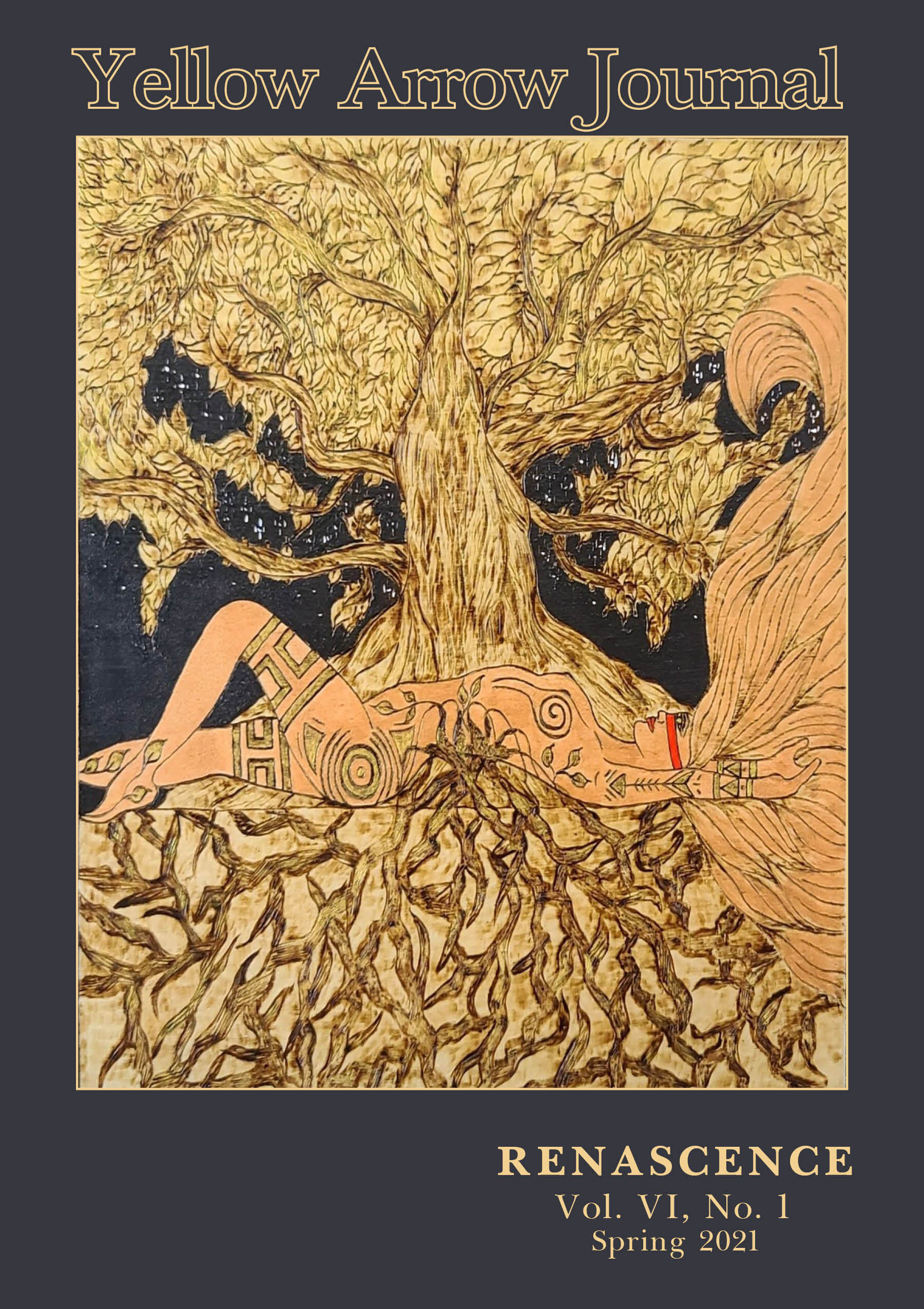
It’s official! The cover of our Yellow Arrow Journal issue on RENASCENCE (Vol. VI, No. 1, Spring 2021) is here and PRESALE has commenced! “Nature Springs From Her” by Kalichi Lamar, pyrography on a wood panel, was inspired by the ceiba tree, the national tree of Borikén (Puerto Rico). It is also the sacred tree of her people, the indigenous Taínos. This tree was used to build canoes and is believed to have a direct connection to the spirit world and secrets of Atabey (mother earth). Rather than say more here, we’ll let Kalichi, Taína, and some of our authors explore the significance of “Nature Springs From Her” and RENASCENCE through a series of Facebook Live events starting tomorrow with Kalichi. Renascence LIVE! is a celebration of the hard work put into this journal issue by Taína, the Yellow Arrow team, and the authors/artist. It is an opportunity for the contributors and Taína to speak for themselves. To explain why renascence and cultural resurrection resonated with them.

By Taína
This issue of the Yellow Arrow Journal was born in an email where an idea was shared that was just too big for a blog post. That idea was writing about cultural resurrection.
When Yellow Arrow Publishing invited me to be guest editor of this issue, I leaped at the chance. I was thrilled not just to take up space as a Taíno woman, but for the chance to amplify the voices of other marginalized writers and to share with them the power to declare their existences in paper and ink.
It’s no secret that I am a disciple of paper and ink. Of all of the weapons that could be proffered, these are the ones I will always choose. In the correct hand, paper and ink are tools of resistance. Of rebellion. Like my ancestor etching petroglyphs on the caves of Isla Mona, it is daring to make permanent a fleeting existence. The fuel which has ignited revolutions and birthed nations. In the hands of the silenced, paper and ink is a re-claimation. A renascence. It is ours.
It calls us to an awakening, not just of things that were dormant, but systemically silenced. This Yellow Arrow Journal issue on RENASCENCE is an invitation to journey through each other’s cultural renascence in the various manifestations awakening can take. Some pieces are nostalgic, bittersweet gifts from the depths of our memories that we cling to, while others are terror-filled nightmares we cannot awaken from fast enough, and still others are calls to action that will not be ignored. Each included story is a petroglyph on a cave wall, a flag planted in paper and ink. Each author is an explorer of their own culture, not discovering or conquering—for the stories of our ancestors have always been there waiting—but acting as pioneers of the past, revisiting and reclaiming the deep-rooted whispers and reflecting them into the future.
That this issue was almost too easy to put together, is a testament to the Yellow Arrow team, and to the authors and artists who dared to submit to us. Even the challenges we’ve faced along the way have manifested themselves into crucial learning experiences. For this, I am deeply grateful to everyone at Yellow Arrow, but especially to our Editor-in-Chief Kapua Iao, for making this experience one of profound growth and meaning.
I’d also like to invite you all to a marvel at the cover of this issue and to watch Renascence LIVE!, where we’ll find out all about who our authors/artists are and how they connected to the theme. There’ll even be time for comments and questions from you! I can’t wait to see you there!
If that isn’t enough, we’re giving you a free PDF of RENASCENCE with every preorder before May 20! That means you can have access to the beautiful cover art, and the incredible experience of renascence, on launch day!
For we will be ancestors one day and this renascence is our legacy.
Taína is a Baltimore-based Higuaygua Taíno writer, on a mission to write the Taíno culture into existence the same way the colonizers have attempted to erase it: one word, one Taíno at a time. Her essay “Killing Ty” appeared in Yellow Arrow Journal Vol. V, No. 1 RESILIENCE and was nominated for a 2021 Pushcart Prize. Find out more at TainaWrites.com and connect with her on Instagram @tainaconcurls or on Facebook @TainaWrites.
*****
Yellow Arrow Publishing is a nonprofit supporting women writers through publication and access to the literary arts. To learn more about publishing, volunteering, or donating, visit yellowarrowpublishing.com. Follow us on Facebook and Instagram to learn more about future publishing, event, and workshop opportunities. Publications are available at our bookstore, on Amazon, and from most distributors.
Meet a Board Member: Gina Strauss
We at Yellow Arrow Publishing would like to introduce another board member, Gina Strauss. For over 25 years, Gina has worked as a teacher and advisor in a variety of educational settings. Her advanced degrees in counseling and healing arts add a unique dimension to her writing style and interactions with others. She is an advocate for conscious living and is mindful of how all of our relationships serve as mirrors to us. Gina believes that much can be learned from life’s experiences and recognizes the wealth of positive thought that can be gleaned from small day-to-day moments. She lives in Baltimore, Maryland with her husband and two teenage daughters.
Gina recently took the time to answer some questions for us.
YAP: Tell us a little something about yourself.
I never saw myself as a writer. Even though I religiously wrote in my journal during my teenage years, my calling in life has been in the areas of teaching and counseling. It wasn’t until I was in my late 20s and early 30s, as a part of my healing process, I felt the nudge to begin to put my life experiences down on paper to share my story, my voice. Since then, I have self-published a book called Letters to My Teenage Daughter: We’ve Got You, and I have also had one of my creative nonfiction stories, “Listening to the Wisdom of My Body: A Fertility Journey,” published in the RESILIENCE issue of the Yellow Arrow Journal.
In addition to writing as the spirit calls me, I am in the middle of a transition from working as a Montessori teacher to establishing my own private practice as a licensed counselor. I am looking forward to seeing how this piece of my journey unfolds, particularly as I will be continuing my learning to include skills as a Nature Informed Therapist.
YAP: What do you love most about Baltimore?
I am a homegrown Baltimore girl! I love the traditions of Baltimore—eating crabs, watching the Orioles play baseball, and driving to the snowball stand after dinner. I also love the rich history and vibrancy of the cultural events that Baltimore offers.
YAP: How did you get involved with Yellow Arrow and what do you do?
I first heard of Yellow Arrow through a connection with a woman who was also in the Maryland Writers Association (MWA). She asked if anyone in MWA would like to be a reader at one of Yellow Arrow’s events and I responded. After that reading, I did another workshop with Yellow Arrow and had one of my creative nonfiction pieces published in one of the Yellow Arrow Journal issues. Yellow Arrow has given me so much support as a new writer!! A short time later, I was asked to be a board member and have been in that position since January 2020, first as the Feminine Leadership Advisor and now as the Treasurer.
YAP: What are you working on currently?
Right now, I am working on a chapter that will be a part of an anthology on the healing qualities of nature. The anthology is coordinated by Heidi Schreiber-Pan from the Chesapeake Mental Health Collaborative in Towson, Maryland. I am honored to be a part of this collection of personal stories highlighting how nature can be a therapeutic tool.
YAP: Who is your favorite writer?
My favorite writer is Maya Angelou. There are so many things I love about her writing as well as who she was as a person. I am most drawn to the poetic way she speaks about her life and her undying belief in the goodness of humans.
YAP: Who has inspired and supported you most in your writing journey?
In addition to the support I have received from Yellow Arrow, I am deeply grateful to Andrea Hylen who has held a space for my creativity and personal healing for several years. As a Leadership Coach, she hosts an online “Co-Working Space for Cultural Creatives” several times a year. She has been my guide in opening up more to what I want to share in my writing.
YAP: What do you love most about writing?
I love to express my life’s journey in writing. Being able to tell little snippets from moments in my life where I had an AHA moment is so fulfilling. Even though there are writing “rules” in some cases, most of the time, writing is a tool for free expression and is limitless. I love that about it.
YAP: What advice do you have for new writers?
Find a support person/group
Read and listen to other authors
Work through your fears regarding sharing your voice
Trust the ebb and flow of the writing process
Write for yourself—others will connect to your authentic sharing.
*****
We are so fortunate to have Gina on our team. Yellow Arrow Publishing is a nonprofit supporting women writers through publication and access to the literary arts. Thank you for supporting independent publishing.
Poems of a Loss We’ve No Ritual For—Miscarriage: A Review of Chloe Yelena Miller’s Viable

By Naomi Thiers
Chloe Yelena Miller’s book Viable (you can find it at www.chloeyelenamiller.com) is that semi-unusual thing, a collection of poems we need right now—because it touches on a human experience that cuts to the bone but isn’t often spoken directly about. I don’t think there is enough non-gauzy poetry published about childbirth itself and about caring for a very young infant—the true complexity and marvel of it. And there’s definitely not much poetry about losing a child through a miscarriage. I can hardly think of any collections of poetry centered on that kind of loss, only a few individual poems, such as “The Premonition” by Sharon Olds from The Gold Cell.
So, I’m truly glad to read Miller’s strong book Viable with its first section—“Carried”—entirely about the ache of losing a child two months into a pregnancy. The remaining two sections of the book express moving through a second pregnancy that does go full term, and the longest section, “Carry,” describes the birth of this son and the first years of life with him (though even this successful pregnancy carries a shadow of fear because of the recent miscarriage). These are situations, emotion-tangles, our culture has no rituals or pat phrases for, but that need to be talked about. Miller’s honest poetry invites us in.
Exploring aspects of language itself, including Italian grammar, helps Miller express the confused feelings and questions around losing a child you’ve never truly known, as in these stanzas from “Short Duet/Dualities”:
Words rhythm originates in blood flow, the opening and closing of chambers. Internal iambic pentameter. Here I am, left with one song. The doctor probes, searches for where you were.
The noun miscarriage conducts images like electricity. My mother pushed her baby in a tall-red carriage. Here sunshine, there are a new bonnet.
Shocks, seen and unseen, beneath the tires.
More often, Miller’s style is minimalistic with often one vivid image from nature flaring out. This works well for writing about shadowy grief our culture doesn’t have a label for. Here’s “Wasn’t”:
Before anyone else knew
I was pregnant,
I wasn’t.
I think of her as female
(to keep the narrative clear.)
Stemless cherry blossoms landed whole
on the sidewalk,
bright sun flattened the landscape
Cherry blossoms—hinting at the contrast between the bright, hot loveliness of spring in the Washington D.C. area (where Miller and I both live) and the bleakness of loss—return in my favorite poem in this section:
Objects
To mourn a woman,
carry her picture, wear her lapel pin.
There is nothing to wear
or carry after a miscarriage.
In Japan, mothers mourn
lost water children.
Gardens of small statues
in red knitted hats, bibs.
Hands in my pockets,
I stand at the edge of the Tidal Basin,
wilted cherry blossoms above and below.
Some of the subtlest, most crafted poems in terms of sound are those few which paint the speaker’s second pregnancy when awe mixes with some fear: “An infinity/ in your smallness, rapid growth./ So many parts we need to craft/for you to walk, eat or dance on a stage.”
Though it was years ago, I can remember pregnancy. The feeling of the baby alive and shifting inside during those months is an exceptionally hard sensation to funnel into words. Miller gets at it, as well as this time’s fizzy hope, in this poem which draws on the Italian concept of Iniziare (meaning to initiate or begin):
Italian vocabulary: Iniziare
A small liquid universe shifts
as I walk outdoors;
baby carried below my heart’s
iambic pentameter.
Fluids and doors opening.
You hear voices of to-be-loved parents.
So much yet-to-be
outside this expanding world.
Things really take off in the book’s final and often joyful section, which starts with a poem describing the physical sensations accompanying a Cesarean section—something I never thought to read in a poem. But why shouldn’t this way of giving birth, with its own odd feelings and atypical way of greeting the newborn, be brought alive through poetry? Many women experience a Cesarean—why shouldn’t we get this kind of news from poetry? Here’s most of “Three Weeks Early”:
Most of me, all of you, hidden:
blue curtain along my bare clavicle.
My head turns to one side to vomit,
jaw rattled with cold, I gasp.
Your father holds my hand, my face.
I think of my mother,
cold enough to ask for socks in labor.
I can’t feel my feet to know if they are cold.
You hear my cries before I hear yours.
You first see my wet face
from the distance of your father’s arms.
The sense of touch, more than any other, suffuses these poems about caring for an infant. Without being too graphic, they tell it like it is: the highs and the exhaustions, the non-gauzy reality of breastfeeding (“there’s a bruise on my breast/from your knocking for milk”), the rabbit hole of fascination with the baby you fall down. Many of the poems have short stanzas and short enjambed lines; they are full of repeating physical images (the baby’s mouth, fingers, skin pressing skin, sleep in all its stages, or lack of) and sometimes shift quickly from one odd image to an entirely new one. This mirrors the intense, enclosed, fuzzy quality of the first months with a new baby, that strangeness of suddenly being with a minuscule person you barely know and trying to fathom its habits. I’ll quote from two poems, first one that straps you into the intensity of a howling baby:
Empty, I’m a renamed woman – Mom –
holding a baby. He screams;
tonsils red, tongue vibrates,
like a revving engine.
He screams and screams and screams.
Oh, the screams!
(From “Birth Announcement”)
and one that taps into the intimacy of nursing:
My fingers support your infant skull,
above and below your ears.
Such fierce hunger at my breast:
your jaw shakes side to side,
toe-starting shiver to wail.
Finally, you settle,
and I understand hunger,
the loneliness of it all.
(From “Fierce Hunger”)
There’s one last section of five poems, each an apology, including an apology to the baby lost through miscarriage. These poems are short, cryptic, and express a gentle ache that lingers even as the speaker is, by the end, centered in a happy family (as depicted in the book’s lovely final poem, “Your Creation Story,” addressed to her son at age 6).
Miller’s book itself may get some people talking about miscarriage, but in addition, the book offers three pages of resources, poetry collections and memoirs that touch on pregnancy, miscarriage, and motherhood, and books dealing with grief. It’s quite a lot packed into one book. As one of Viable’s blurbs reads “it’s all there: the hope, the loneliness, the wreckage and the love.”
Miller, Chloe Yelena. Viable. Lily Poetry Review Books, 2021. Available at https://lilypoetryreview.blog/lily-poetry-review-press.
Naomi Thiers (naomihope@comcast.net) grew up in California and Pittsburgh, but her chosen home is Washington D.C./northern Virginia. She is the author of four poetry collections: Only the Raw Hands Are Heaven, In Yolo County, She Was a Cathedral, and Made of Air. Her poems, book reviews, and essays have been published in Virginia Quarterly Review, Poet Lore, Colorado Review, Grist, Sojourners, and other magazines. Former editor of the journal Phoebe, she works as an editor for Educational Leadership magazine and lives on the banks of Four Mile Run in Arlington, Virginia.
*****
Yellow Arrow Publishing is a nonprofit supporting women writers through publication and access to the literary arts. Thank you for supporting independent publishing.
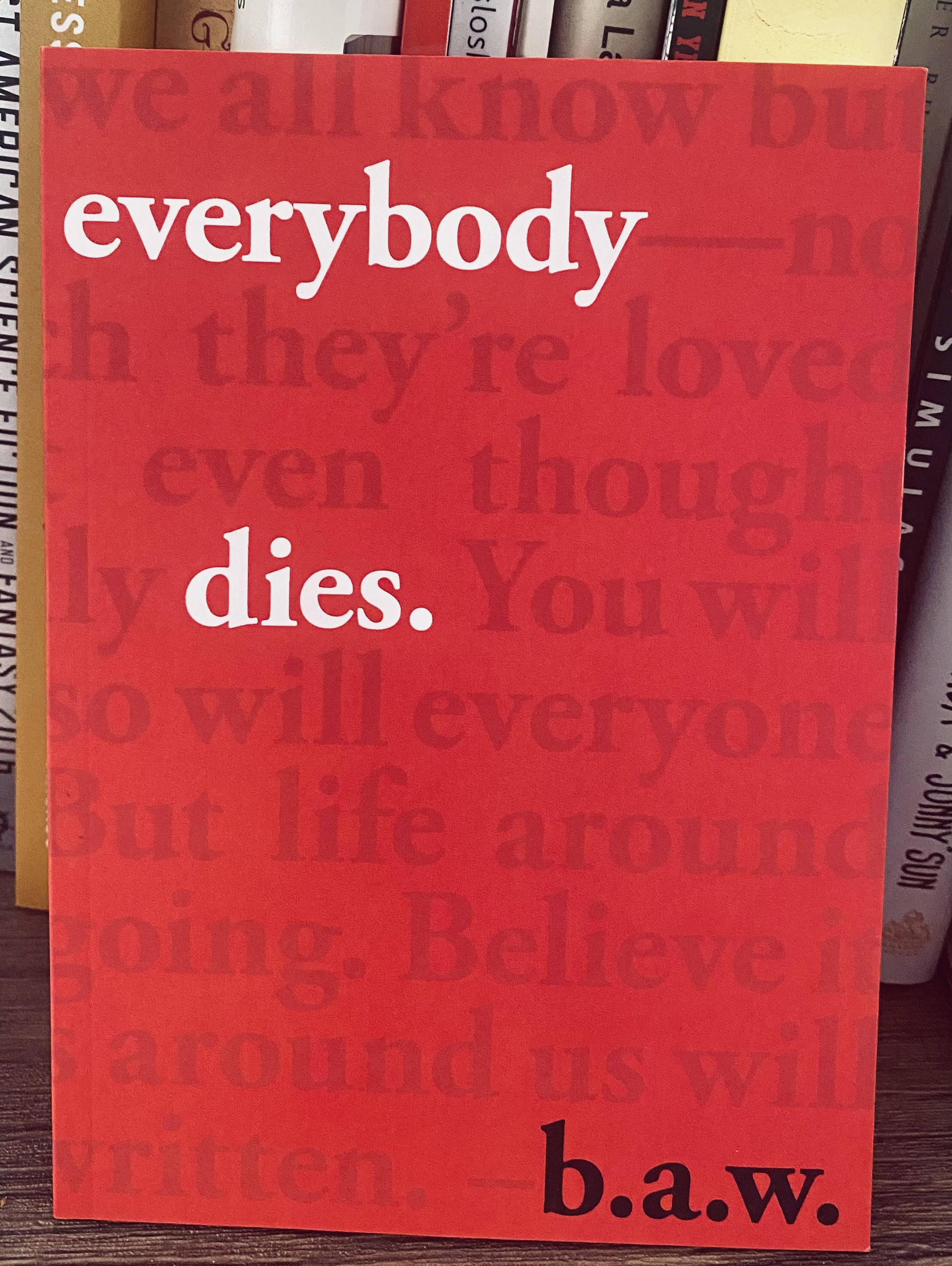
everybody dies. ~ A Conversation with Briana Wingate
Originally from December 2020
“I’m tellin’ you. Ain’t nothing a fierce woman has to say that goes unheard.”
From “In the Valley,” everybody dies. (2019)
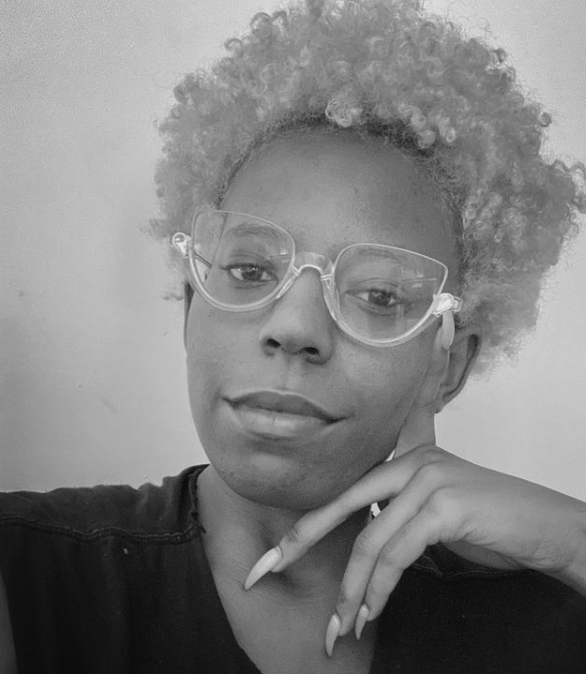
A Yellow Arrow Publishing Editorial Associate, Bailey Drumm, interviewed author Briana Wingate about her 2019 book everybody dies. (currently sold out!). Briana Wingate (or b.a.w.) has recently decided to take ownership of her full name. She lives, writes, and socially distances in Baltimore, Maryland, with her lucky black cat and collection of adult coloring books. She finds inspiration in Black women, neo soul, and popular 90s television. When she’s not scribbling in a journal somewhere, she can be found curled up with a good book and a bottle of wine. She has very strong feelings about The Golden Girls and is willing to discuss them via Twitter or Instagram @briana_shmiana.
YAP: How was everybody dies. conceptualized?
Call it morbid, but I think a lot about death as just a part of the human process. It’s this one thing that we all do no matter who we are, who our loved ones are, or what’s going on around us. everybody dies. was basically my way of asking, “What if someone dies because that’s just what people do? What if the focus of the story was somewhere else?”
YAP: What is your routine writing practice like? Has it changed since this publication? If so, how?
It has! Believe it or not, I had more time to write while I was still in school, so it came a lot more freely. I didn’t have to think too hard about finding the time; I just did it. It was easy to make writing a priority in my life because there was so much outside motivation to just create, even when it didn’t come easy. Now, my motivation is mostly internal and always finds a way to fall in priority behind something else. It’s so much simpler to blame work and general adult life for not writing these days than it is to say I’m afraid of not being good enough at something that actually holds my heart. There was a period of time after completing the MFA program where I wasn’t writing at all, and it made me feel as though I was betraying myself. These days, I’ve been writing just for my own eyes, just to practice with no real expectations. When the stars align just right, I talk out ideas with friends as a sounding board. But I’m not ready to fully workshop what I have just yet, let alone submit. Almost, but not quite. It still feels a little uncomfortable sometimes. A little more hesitant. A lot more eraser smudges. But, I’ve been scribbling in my journal before bed each night, and it feels a little easier each time.
YAP: What was the easiest story to write?
“Things Falling from the Sky.” I had a lot of fun writing that one.
YAP: What about the most difficult? How did you tackle it?
“Dying Season” changed in so many ways so many times. Characters were swapped out, entire scenes were cut, and I was frustrated through it all. I had trouble getting to an ending that felt right. I can definitely say I leaned on my cohort a lot for help. But ultimately, I ended up walking away from the story for a couple weeks and going back over what inspired me to write it to begin with. A friend and I were talking and realized that someday, people who were part of such defining moments in our youth will eventually die without anyone calling to let us know. I found the ending when I realized that the feeling I was looking for was acceptance.
YAP: Were there any pieces that you considered for the collection that didn’t make the cut? Why?
Definitely. I had a two-page piece that I was certain was going to be the first story in the collection, but it just hadn’t been fleshed out enough in time for production deadlines. It’s still sitting in my files, so I may revisit it someday.
YAP: How did you land on this title? Were there any other contenders?
I don’t remember any others sticking with me as much as everybody dies. It’s something you can’t really argue with, but it’s still a conversation starter. There’s a death in each story, but each story is more about the surrounding events. By saying ‘everybody dies’ in lowercase letters upfront on the cover, it was like my way of saying, “Everybody dies. But that’s not always where the story is.”
YAP: I heard, when producing these, you had a handmade element. What was it?
I made a few handbound copies and tied live flowers to the front covers. Inside, I added sheets of vellum at the beginning of each story that were cut out to form an erasure poem from each first page.
YAP: What’s something you hope your readers get out of this collection?
A good laugh. A good hurt. A good conversation.
YAP: Do you have any new projects in the works?
[From March 2021:] I started a new podcast with a local visual artist/musician/good friend, Lové Iman. You can find us at ewwcreatives.com, follow us on Instagram and Twitter @EwwVarietyShow, and listen to The Eww Variety Show on all major platforms.
YAP: Is fiction the only form you practice?
Fiction is where my heart has always been, but I dabble in nonfiction as well. Nothing serious. Just my own long-winded introspections.
YAP: Would you choose to self-publish again in the future? What was that process like for you?
Who knows? I’d never say never, but there’s pros and cons to everything. I’m admittedly a control freak, so seeing something that was just mine go from concept to tangible object was definitely a rush. However, having worked behind the scenes with local presses before, helping other people see their work come to life, there’s definitely a level of comfort in knowing there are other people invested in your brainchild.
YAP: What do you hope people take from this chapbook?
Everybody dies. That’s not the whole story. How are you living?
YAP: How would you summarize this collection in less than 50 words?
everybody dies. is a collection of short stories that each include a dead body but aren’t about death. There’s a little bit of humor, a little bit of heartache, and a little bit of weird inside, all meant to tell the human story.
*****
Every writer has a story to tell and every story is worth telling. Thank you Briana for taking the time to share your stories with us. Yellow Arrow Publishing is a nonprofit supporting women writers through publication and access to the literary arts.
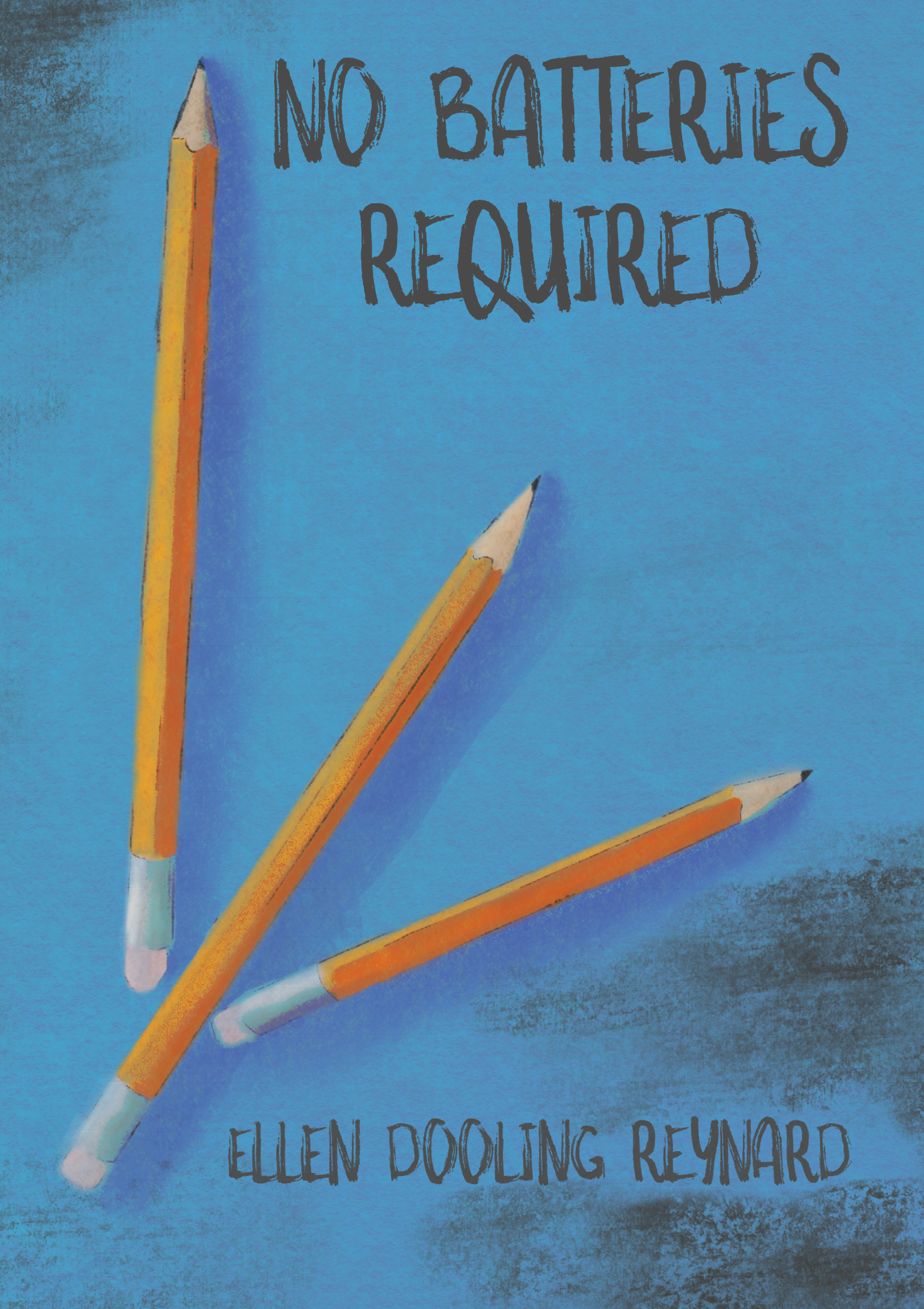
No Batteries Required by Ellen Dooling Reynard: Living Life’s Non Moments
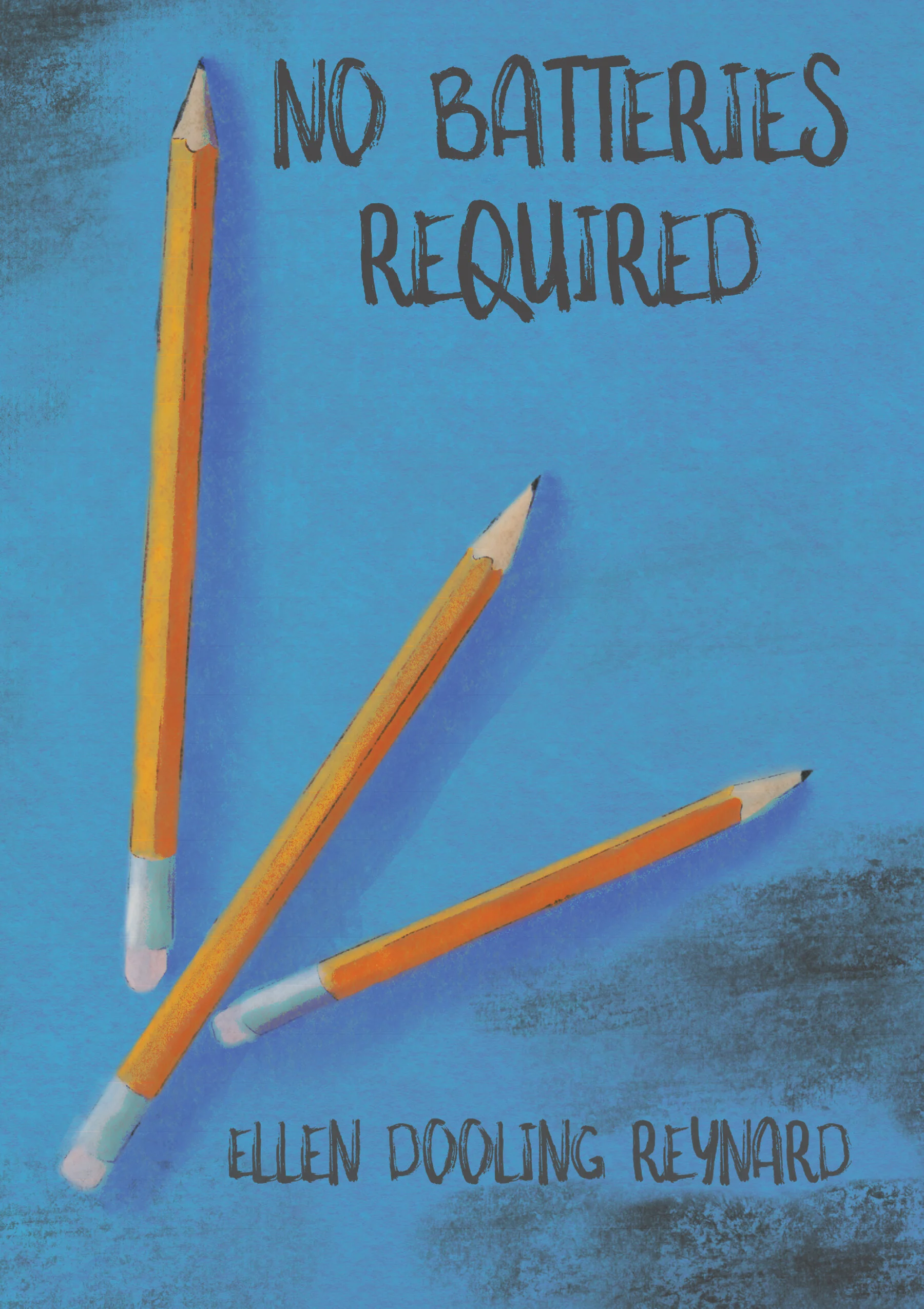
Yellow Arrow Publishing announces the release of a new chapbook, No Batteries Required, by Ellen Dooling Reynard. Since its establishment in 2016, Yellow Arrow has devoted its efforts to advocate for all women writers through inclusion in the biannual Yellow Arrow Journal as well as single-author publications, and by providing strong author support, workshops, and volunteer opportunities. We at Yellow Arrow are excited to continue our mission by supporting Ellen in all her writing and publishing endeavors.
The 28 poems included in No Batteries Required float through several themes and are divided into four sections: moments and non moments, Life’s Journey Home, Other Creatures, and Seasoned with Humor. As a whole, No Batteries Required examines the world around Ellen from the perspective of her inner world. She considers what she calls ‘moments and non moments’—those brief stops along the way to look at something as simple as a flower or to witness something as complex as the death of a loved one.
As a senior, Ellen looks back on her life, its joys and sorrows, its loves and losses, while she navigates the unknown currents of old age and ponders about the journeys of life, death, and what lies beyond. Observing the natural world, she recognizes what is to be learned about the human condition from animals, insects, and plants. In the final title poem, Ellen muses about the craft of writing with a pencil, which she describes as a simple computational device with one end for ‘enter,’ the other end for ‘delete.’
Ellen spent her childhood on a cattle ranch in Jackson, Montana. Raised on myths and fairy tales, the sense of wonder has never left her. A one-time editor of Parabola Magazine, her poetry has been published by Lighten Up On Line, Current Magazine, Persimmon, Silver Blade, and The Muddy River Poetry Review. She is now retired and has relocated to Clarksville, Maryland, where she will continue to write fiction and poetry. She is currently working on a series of ekphrastic poems based on the work of her late husband, Paul Reynard (1927–2005).
Paperback and PDF versions of No Batteries Required are now available from the Yellow Arrow bookstore! If interested in purchasing more than one paperback copy for friends and family, check out our discounted wholesale prices here. You can also search for No Batteries Required wherever you purchase your books including Amazon, Barnes & Noble, Kobo, and smaller bookstores. Connect with Yellow Arrow Publishing on Facebook and Instagram, and Ellen on Facebook, to share some love for this chapbook. To learn more about Ellen and No Batteries Required, check out our recent interview with her. And as part of our April Poetry Series, join us for a book launch of No Batteries Required on April 30 at 6 p.m. More information about the reading, as well as the Zoom link, can be found on our Events Calendar.
***
Yellow Arrow Publishing is a nonprofit supporting women writers through publication and access to the literary arts. To learn about publishing, volunteering, or donating, visit yellowarrowpublishing.com. If interested in writing a review of No Batteries Required or any of our other publications, please email editor@yellowarrowpublishing.com for more information.
Until We Meet Again . . .
Aloha ʻoe, aloha ʻoe (farewell to thee, farewell to thee)
E ke onaona noho i ka lipo (the charming one who dwells in the shaded bowers)
One fond embrace,
A hoʻi aʻe au (ʻere I depart)
Until we meet again
“Aloha ʻoe,” composed by Queen Liliʻuokalani in 1878
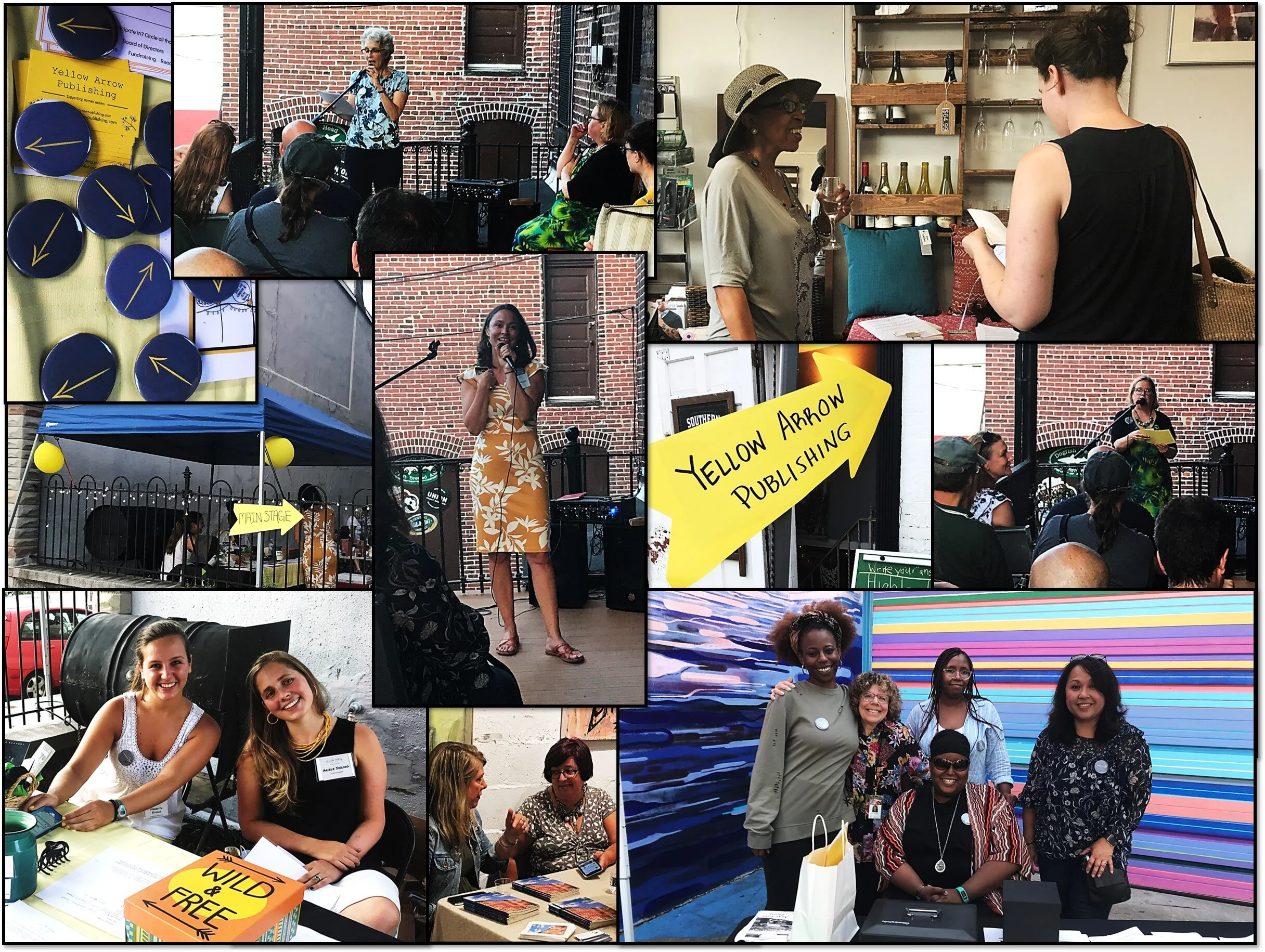
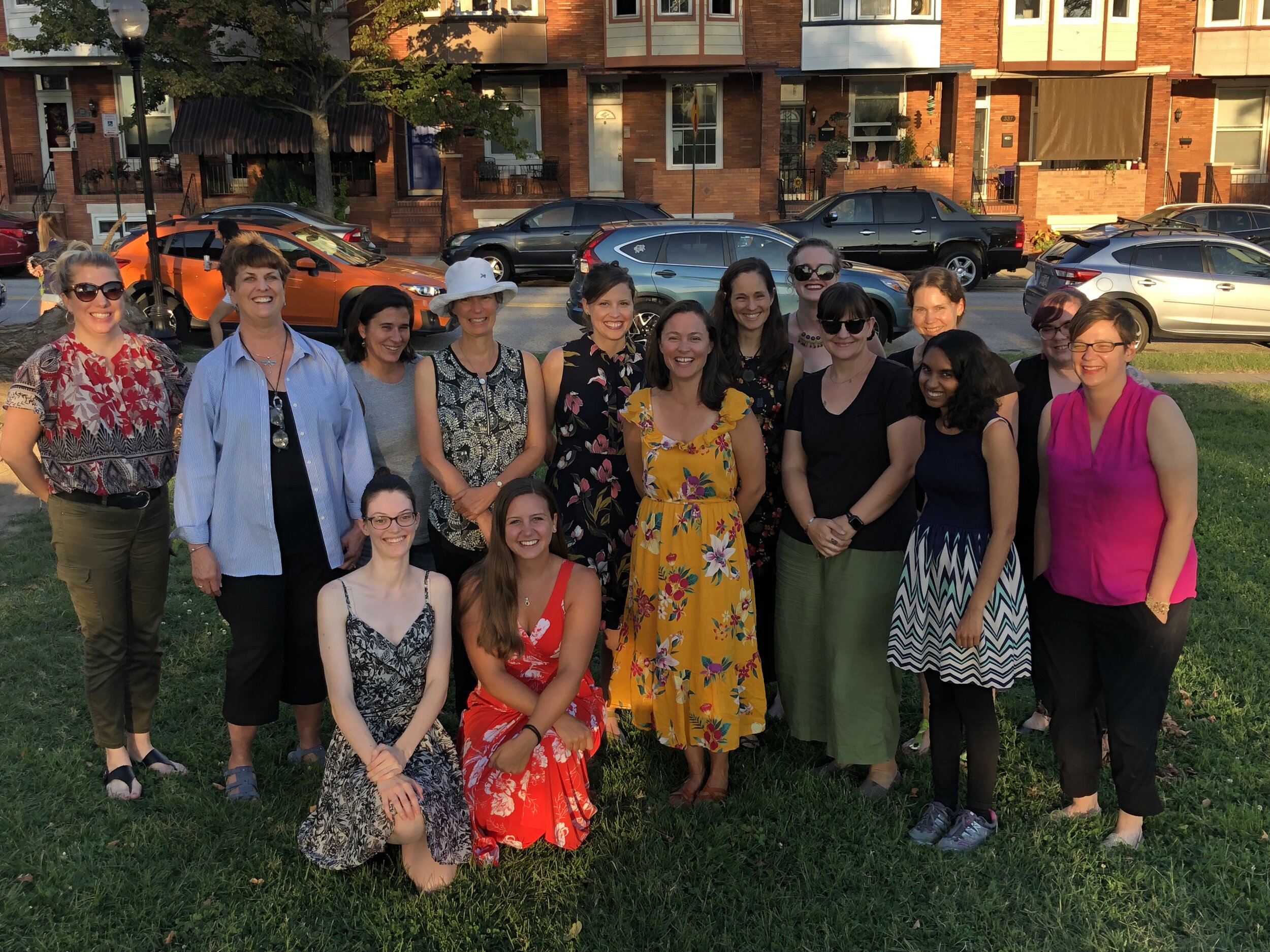
Gwen, your Yellow Arrow family wants to send you off with a heartfelt bon voyage! Thank you for everything you have done for the Baltimore writing community and for Yellow Arrow. Here’s to new adventures!
If you want to support Gwen, please purchase one of her incredible books in the Yellow Arrow Bookstore or send her your own farewell message on Instagram @gwenvanvelsor. Visit www.gwenvanvelsor.com to follow her adventures.
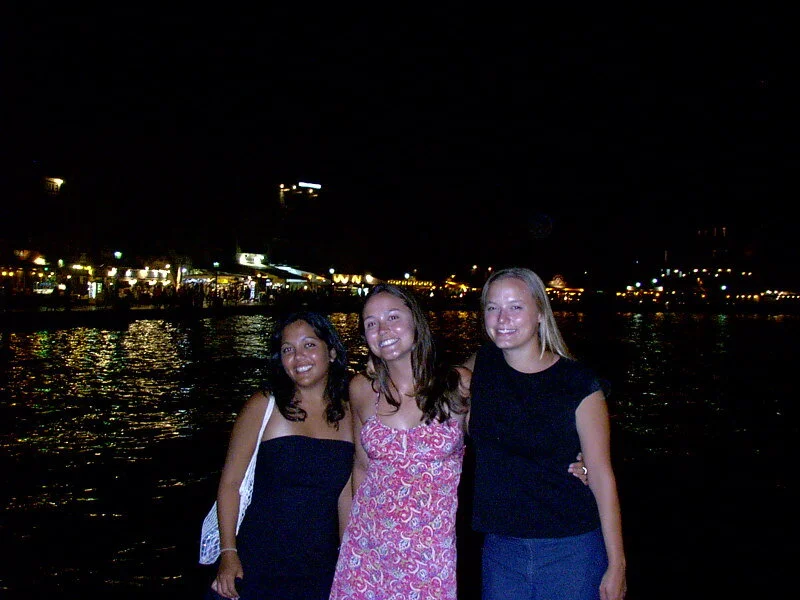
I can’t believe it’s been 16 years since I first met you! We had fun that summer in Greece and some exciting times building Yellow Arrow Publishing. Thank you for letting me volunteer with Yellow Arrow and for thinking I would make a good Editor-in-Chief.
We constructed a great foundation for something beautiful! Have an incredible journey and adventure.
Aloha nō, Kapua Iao
Gwen gave me the opportunity to pursue what I love and become part of the Yellow Arrow family and I greatly appreciate her for it. I hope for her safety and happiness in her move with her family and that they get to enjoy the new opportunities and experiences that come with it, especially after giving me the same. Thank you so much, Gwen!
Brenna Ebner
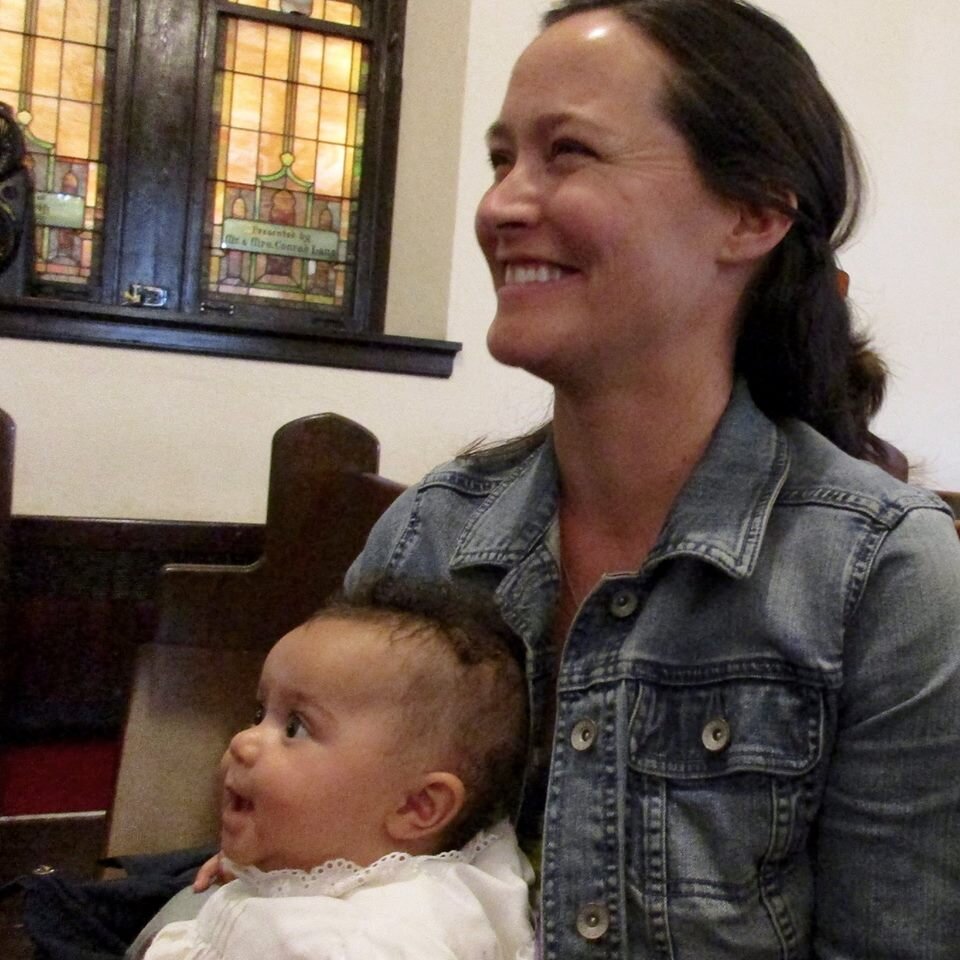
It is unbelievable to think that it was only a little over a year ago that I drove through a snowy winter night in order to sit and chat with Gwen about my potential involvement with Yellow Arrow Publishing. Upon meeting Gwen, I was immediately struck by her warmth and passion as she described her vision for YAP and ways to become involved. Her openness in listening to my own interests and ideas asserted that she saw YAP as not only hers but as a collaboration of many voices—an astounding notion in a society that is often focused on the individual rather than the community.
Now, that I know Gwen better, I am not surprised because I have learned that everything she does is undertaken for the purpose of helping others blossom. Because Gwen let me into her YAP family, I have been able to chat about poetry with a fellow writer across the Atlantic Ocean, learn the art of bookbinding, and edit stories from voices from all over the world. I wish Gwen and her family all the best as they continue on their journey.
Siobhan McKenna
One of the first things that I noticed about Gwen was her warm smile. I was a bit nervous coming to speak at an author’s event and her warmth made me instantly feel better. After another event, Gwen reached out to me to chat about life and we met up at Belvedere Square. We had an instant connection and shared conversation about some of the things we had in common: motherhood, teaching, our love of travel, passion for feminine wisdom, and of course, writing. That night she gave me a small gift. I cherish it as a thoughtful recognition of our connection. Later, Gwen welcomed me into her home to talk more about Yellow Arrow and it was there that she invited me to join the board.
Gwen, thank you for noticing the new expression that was blossoming in me and providing a safe and meaningful space to grow as a writer. I know this next adventure will provide you with many learning opportunities and the chance to emerge as an even more beautiful, loving, and fulfilled version of you.
Much love! Gina Strauss
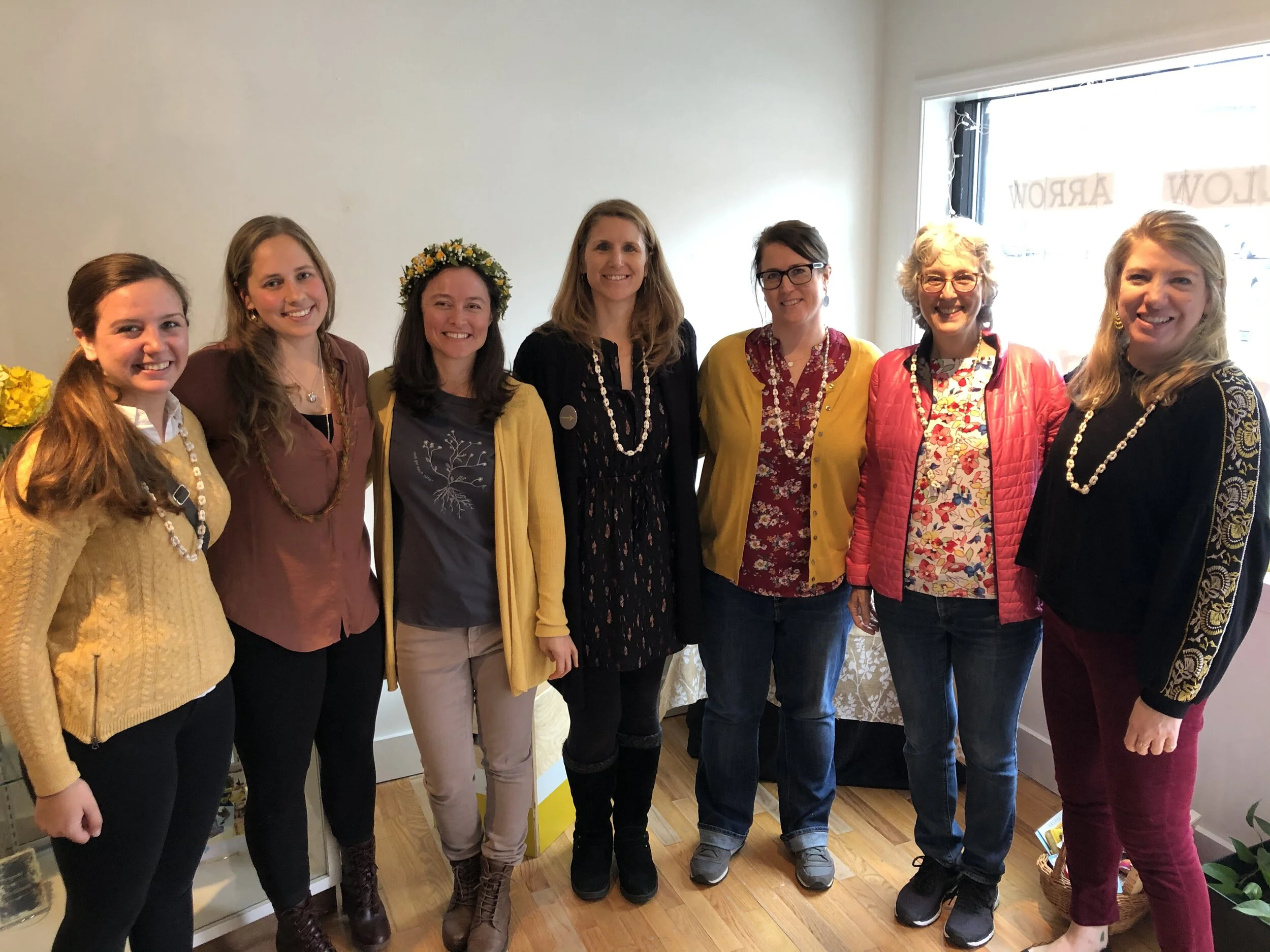
Gwen, it’s been great working with you and getting connected to the Yellow Arrow family. I wish you and your family prosperity, joy, and love as you start on this next journey.
Jennifer N. Shannon

Gwen, thank you for the ways you’ve made me become more of the writer and resident of Highlandtown that I hope to be. Your ingenuity has opened doors I would have never dreamed of, let alone found a way to walk through. The opportunities you’ve given me through Yellow Arrow have forever changed me.
Kerry Graham
Gwen is someone who gathers good people around her—there’s something about her that makes you want to help out because it’s doing stuff you wanted to do all along AND it means you get to hang out with her and her good people. She has such neat, creative ideas, and wants to make good things happen for others—it’s an infectious cycle that brings out the best in all of us. Thank you, Gwen, for everything! May our connections be strong, wherever you are in the world.
love, Ann
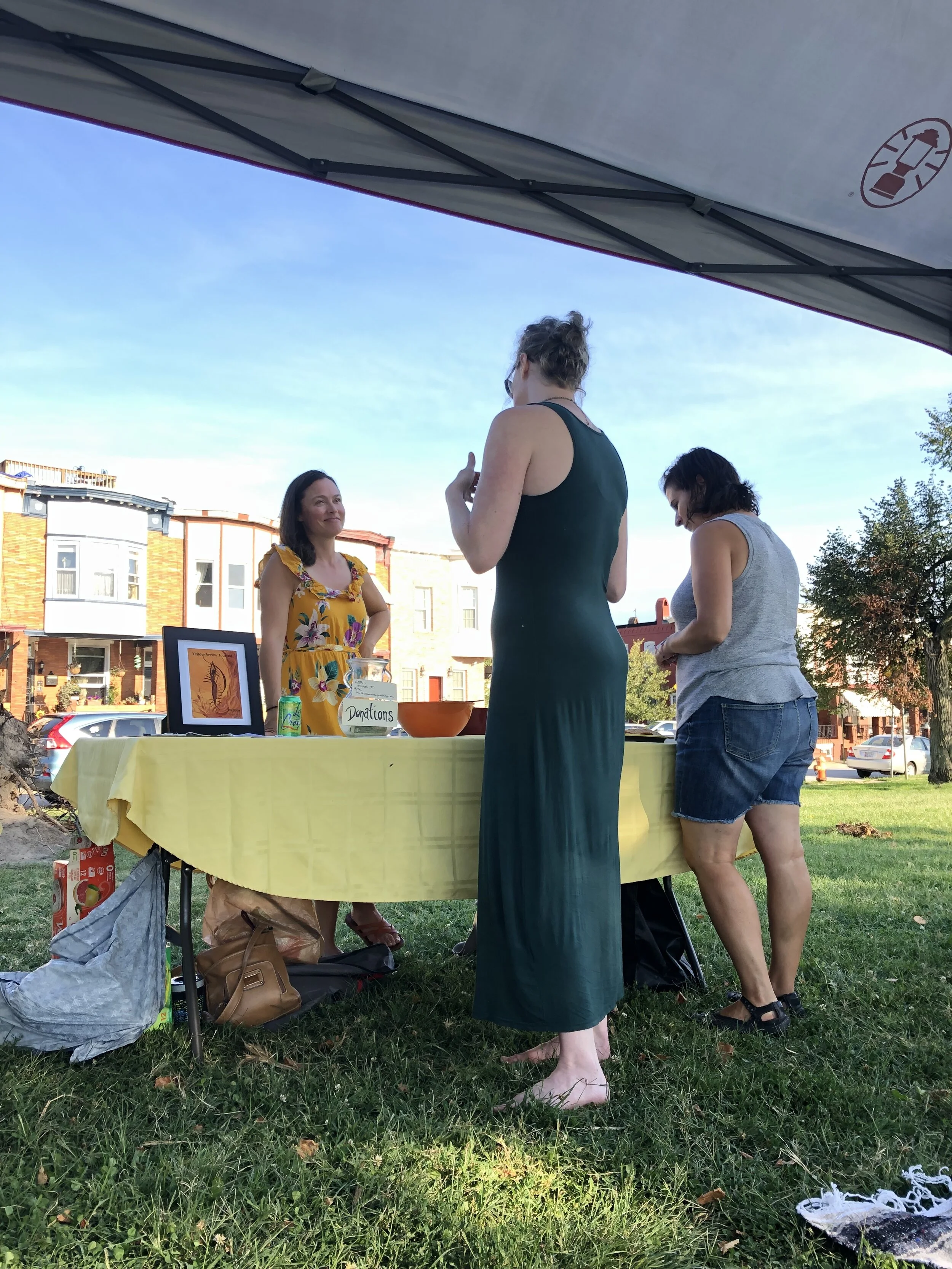
Yellow Arrow, in its roots, is Gwen. Passionate and dedicated to helping others. Providing space and lifting up pride for those who may not know where their art belongs or to what direction it is trying to go.
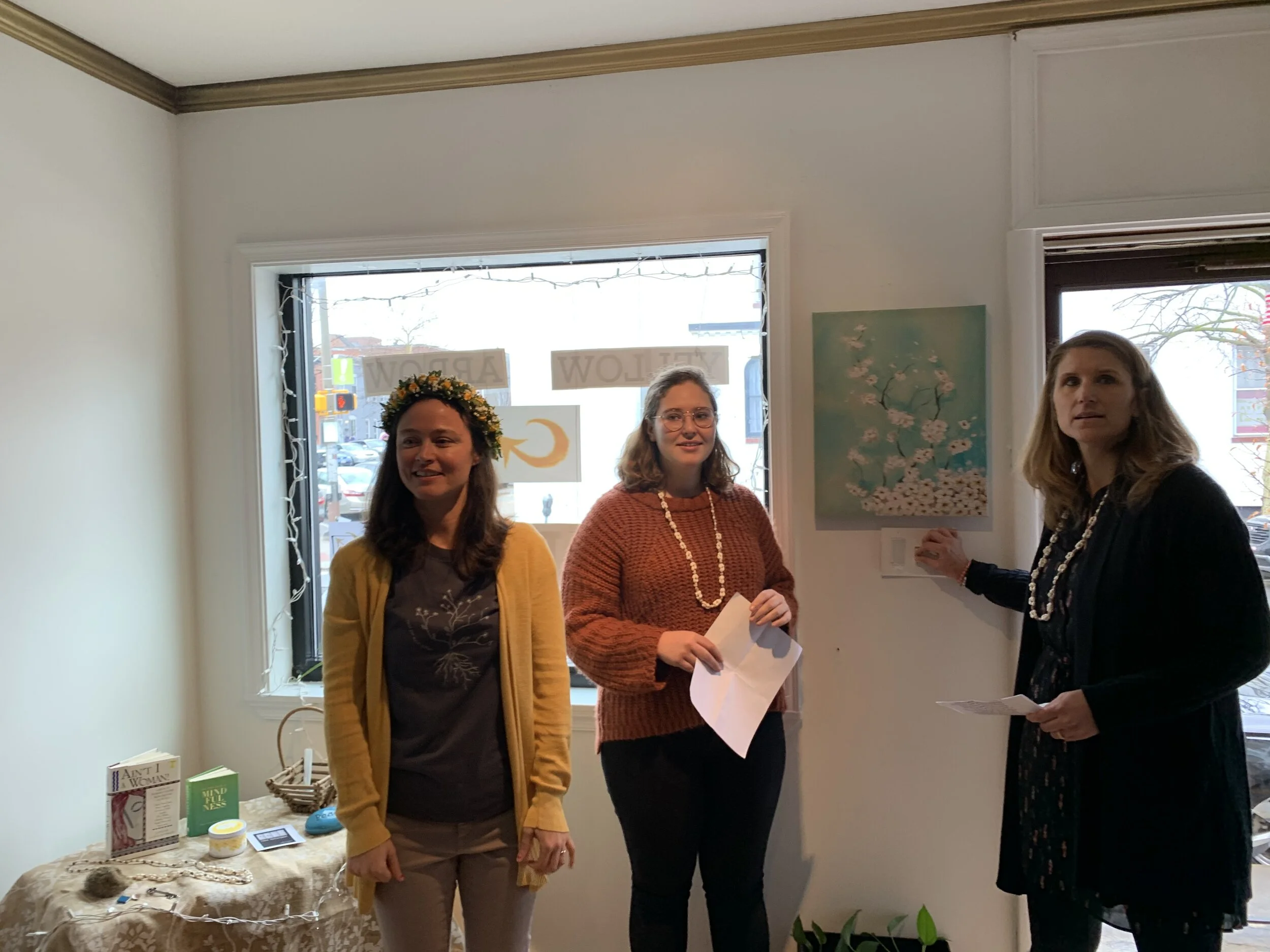
Gwen has helped me realize over the past few years what it means to be a writer, as well as an editor, and a member of a community. It means getting dirt under your nails to help other’s flowers bloom, stapling 100s of pages to see other’s names in print, taking time to see someone past their writing to understand their work.
I first met Gwen when I was invited to read at a First Friday Art Walk. Her energy was contagious. I immediately knew she was someone I wanted to learn from and work with by the excitable yet professional energy she was emitting.
We’ll miss Gwen but, with Yellow Arrow, she’ll still be a piece of Baltimore.
Bailey Drumm
Dear Gwen,
The first time we met was pure serendipity. Yellow Arrow was hosting a series of writing workshops at the Y:ART Gallery, and since I happened to be on the gallery’s email list, I received an invitation. I was not familiar with Highlandtown, but I had gone to an exhibit at Y:ART several months before, when one of my friends was showing some paintings, and visitors were asked to sign in. It was coincidental that the invitation arrived just when I’d decided to make more room for creative writing in my life. What a lovely accident of fate led me to follow those yellow arrows to Highlandtown—and to you—and embark on a new chapter in my life!
When I arrived for my first class, I felt your welcoming warmth like a physical presence—a hug or a blanket. You were at home in the space, with your fellow teachers, with yourself. I remember that you brought coffee, donuts, and fresh strawberries for the students, a kindness I found incredibly comforting. And at each place around the writing table, you had set out yellow-covered booklets for taking notes and doing writing exercises—another homey touch that drew me in. When you talked about Yellow Arrow, your vision for nurturing women writers, and your own writing journey, I was swept along on the current of your enthusiasm, joy, and hopefulness. By the time the series of classes was complete, I was not only more confident in pursuing my own writing journey but also sure that you—and Yellow Arrow—would play a part in my success.
Gwen, I am so thankful to you for opening the door to so many “firsts” in my life. For starters, introducing me to the artsy vibe of the Highlandtown neighborhood. I remember having lunch at DiPasquale’s with you and Cija Jefferson after her class, and the thrill of feeling welcomed into the “club” of local writers. Helping you hand-bind the Yellow Arrow Journal, stapling and stitching care, love, and pride into every copy, was a uniquely joyful way to experience the process of producing printed works. When I joined the board of Yellow Arrow, you gave me the opportunity to manage grant writing, learn new skills, work with Kapua and the rest of the board members, and ultimately connect with other arts organizations and resources in Maryland that will help us reshape Yellow Arrow in the future. You invited me to join a live poetry reading at the Highlandtown Literary Night event, which was my first time reading my poems in public. You introduced me to Ann Quinn, whose poetry class this past year has helped me hone my craft and form relationships with local poets. You encouraged me to submit to Yellow Arrow Journal and my poetry publication in HOME was my first, a milestone moment for me that not only encouraged me to submit new work to other journals but to see the potential in my old, “dormant” poems—and to revisit, rework, and submit them as well.
Through my relationship with you and Yellow Arrow, I’ve come to appreciate the term “publishing house.” Even though we had to close the Yellow Arrow House, Yellow Arrow Publishing remains a “house”—and more importantly, a home—for women writers to be supported, nurtured, gain confidence, grow, and thrive in their creative endeavors. Gwen, your vision, your optimism, your hard work, and your faith have made our house a home—and whether we downsize, renovate, reconstruct, or move away, the Yellow Arrow home that you envisioned will live on inside us—a spiritual, creative, and loving space where we can nurture each other, ourselves, and our creativity. You leave us this precious gift, for which I will always be grateful.
Gwen, as you prepare for the next steps on your life’s journey, I wish you and your family many blessings—safe travels, health, love, and happiness. I wish you new friends, fresh ideas, the pleasure of exploring a new landscape and culture, novel inspirations for your writing, and the joy of watching your daughter grow up and learn about the big, wide world. No doubt, there will be many challenges, but I’m sure you will meet them with your unique blend of courage, curiosity, optimism, and faith. Follow your arrow, Gwen!
With love and gratitude, Sara Palmer
Thank you to everyone who supports women writers and publishers. Please show Gwen some love in the comments below or on Yellow Arrow’s Facebook or Instagram. If interested in joining Yellow Arrow Publishing as a staff or volunteer, email staff@yellowarrowpublishing.com for more information.
Yellow Arrow Publishing is a nonprofit supporting women writers through publication and access to the literary arts. To learn more about publishing, volunteering, or donating, visit yellowarrowpublishing.com.
Can I Become an Author at My Age?

by Diane Vogel Ferri, from February 2020
“The most regretful people on earth are those who felt the call to creative work, who felt their own creative power restive and uprising, and gave it neither time nor power.” Mary Oliver
You have always wanted to write a book. You thought that would be a great accomplishment in life, but you had children, a job, obligations. Suddenly the kids grew up but then maybe you were caring for your elderly parents, and now—now you have some time. Is that desire still there? Do you have something to say?
It is my belief that older people are not revered in American society. We have valued youth and beauty too much. It is only in the 21st century that Hollywood has decided that older women can have roles in movies! But we have had life experiences, we have done the hard work, we have figured so much of it out. We have strong opinions based on those life experiences.
Countries such as Japan have longer life expectancies and less dementia. This is often attributed to their respect and positive treatment of the elderly. Korea celebrates the 60th and 70th birthdays with large feasts. China has an “elderly rights law” mandating that children attend to their parents in old age. Native Americans look to their aging for wisdom. In India, the elderly are considered the head of the family.
On the wall of my writing room—a room of my own being something I earned in later years as well—is an essay I wrote when I was 10 years old. My mother saved it for me. It is about my desire to write a book someday. I remember my mom telling me that I hadn’t lived long enough to have something to write about. Well, I do now. In my 30s my life took a dramatic and chaotic turn. I began filling notebooks with poetry although I had never read or studied poetry and it was like a savior to me. Now I have two poetry books and many poems published in journals.
Walking through the world as an older woman I often feel invisible, as if I am nothing to look at, with nothing important to share. But women who have fulfilled their caregiving duties have the most understanding of life. Every woman has experiences that are unique to being female. In these later years I have been a part of many poetry readings. It is so fulfilling to stand in front of a microphone and read my poems. I have people’s attention. I am heard and seen, and I have so much to say. I watched my own mother blossom into a prolific artist in her 50s then continue to create into her 80s. Her example leads me, and I constantly remind my own daughter that a woman reinvents herself throughout her life. There is nothing that cannot be accomplished in the future, even if it is not possible now.
Creativity is an important piece of our identities. We may not need to make money from it or become famous, but we need it to stay vital, to maintain who we are in this world. I have been retired for six years but I still get a thrill out of waking up in the morning and knowing I have nothing I need to do that day but walk back to my writing space and write my heart out. Stephen King once said, “If God gives you something to do, why in God’s name wouldn’t you do it?” Yes.
There are many wonderful online and print publications like Yellow Arrow Journal that are looking for your wisdom, although the submission process can sometimes be arduous and discouraging. The best advice I heard at a craft talk was to aim for 100 rejections a year. That sounds awful, but it means you are submitting a great deal of work. Obviously, the odds of getting something published are much better the more you submit. I’ve had about a dozen essays published in recent years.
I am now 65 and my third novel has just been published by a local company. The first book not to be self-published! I was recently interviewed and a substantial article about my book was published online and in the local newspaper. An unexpected gift. So, it’s never too late.
Diane Vogel Ferri is a teacher, poet, and writer living in Solon, Ohio. Her essays have been published in Scene Magazine, Cleveland Stories, Yellow Arrow Journal, and Good Works Review, among others. Her poems can be found in numerous journals such as Plainsongs, Rubbertop Review, and Poet Lore. Her previous publications are Liquid Rubies (poetry), The Volume of Our Incongruity (poetry), The Desire Path (novel), and her newest novel, No Life But This: A Novel of Emily Warren Roebling.
******
Yellow Arrow Publishing is a nonprofit supporting women writers through publication and access to the literary arts. To learn more about publishing, volunteering, or donating, visityellowarrowpublishing.com.
Burning Words of Women to Be Heard: A Review of The Fire Inside by Zora’s Den

By Bailey Drumm
The Fire Inside: Collected Stories & Poems from Zora’s Den is a collection of prose and poetry written by members of Zora’s Den, a writing group centered in Baltimore, Maryland, about the empowerment of a group of writers expressing womanhood and the power women hold in their autonomy. Zora’s Den is a place where these women can express themselves unapologetically, with support, encouragement, and sisterhood.
The Den began as a Facebook writing community of Black women that was started in 2017 by Victoria Adams-Kennedy and named after Zora Neale Hurston. The foreword, written by Zora’s niece, Lucy Anne Hurston, and the preface explain the inspiration for the collection and how Zora led these women to write with “fire in the belly.”
In the midst of the cultural awakening that the U.S. is currently undergoing, this collection is a moving example of the way women, especially BIPOC women, think, feel, and have interacted within a blinded world. And in The Fire Inside, there are moments of subtlety and an admiration of their bodies, juxtaposed next to pain and suffering under the hold of a man’s aggression.
As I looked over my notes for this review, there was a word that I wrote next to my comments time and time again: POWER. The power of the Den itself is moving. The collection as a whole is powerful. Then, to look at every piece individually and really explore the embers of each fire burning inside the collection, it’s mystic, overwhelming, and beautiful. The piece “Legacy” by Chenise Lytrelle exemplifies just that, rounding out the collection by recalling the pain and torment experienced by women who came before her, who were able to walk on with pride and awakening. That same bold feeling of pride punches the reader from the first piece, “Finding Zora,” by Jacqueline Johnson, as she writes, “We wore our braids like crowns.” The collection also explores the relationships between mother and daughter, alongside the character’s relationships and struggles with folklore, tradition, ancestry, religion, and culture.
Throughout the pages, there is love, unity, and confidence in the tone of each piece, even if a piece itself is addressing cruel, degrading actions. There are no curtains to hide behind for these women when it comes to discussing freedom, oppression, and growth. They tackle the individual struggles that young women suffer, and how it is possible to grow stronger, year by year. Though every person experiences different pressures, pains, and expectations, as women of color, Zora’s Den experiences it together.
The Fire Inside allows the reader to glimpse the outcome of the Den’s figurative kitchen table, where the women can speak freely and honestly about their grief, pleasure, dignity, and other experiences as Black women and the outcome surely is a flame.
Kennedy, V., ed. The Fire Inside: Collected Stories & Poems from Zora’s Den. Baltimore: ZD Press, November 17, 2020. Available as a paperback or eBook from Amazon. Visit the group’s website to learn more about a recent call for submissions, for The Fire Inside (Volume II).
Bailey Drumm is a fiction writer whose work has been featured in Grub Street, and whose digital art was displayed as the cover art for the 2017 edition of Welter. She is an M.F.A. graduate from the Creative Writing and Publishing Arts program at the University of Baltimore. Her collection of short stories, The Art of Settling, was published in the spring of 2019. Find out more at Bailey-Drumm.square.site.
*****
Yellow Arrow Publishing is a nonprofit supporting women writers through publication and access to the literary arts. Thank you for supporting independent publishing.
Gratitude is a Divine Emotion: Yellow Arrow Editorial Associates and Interns
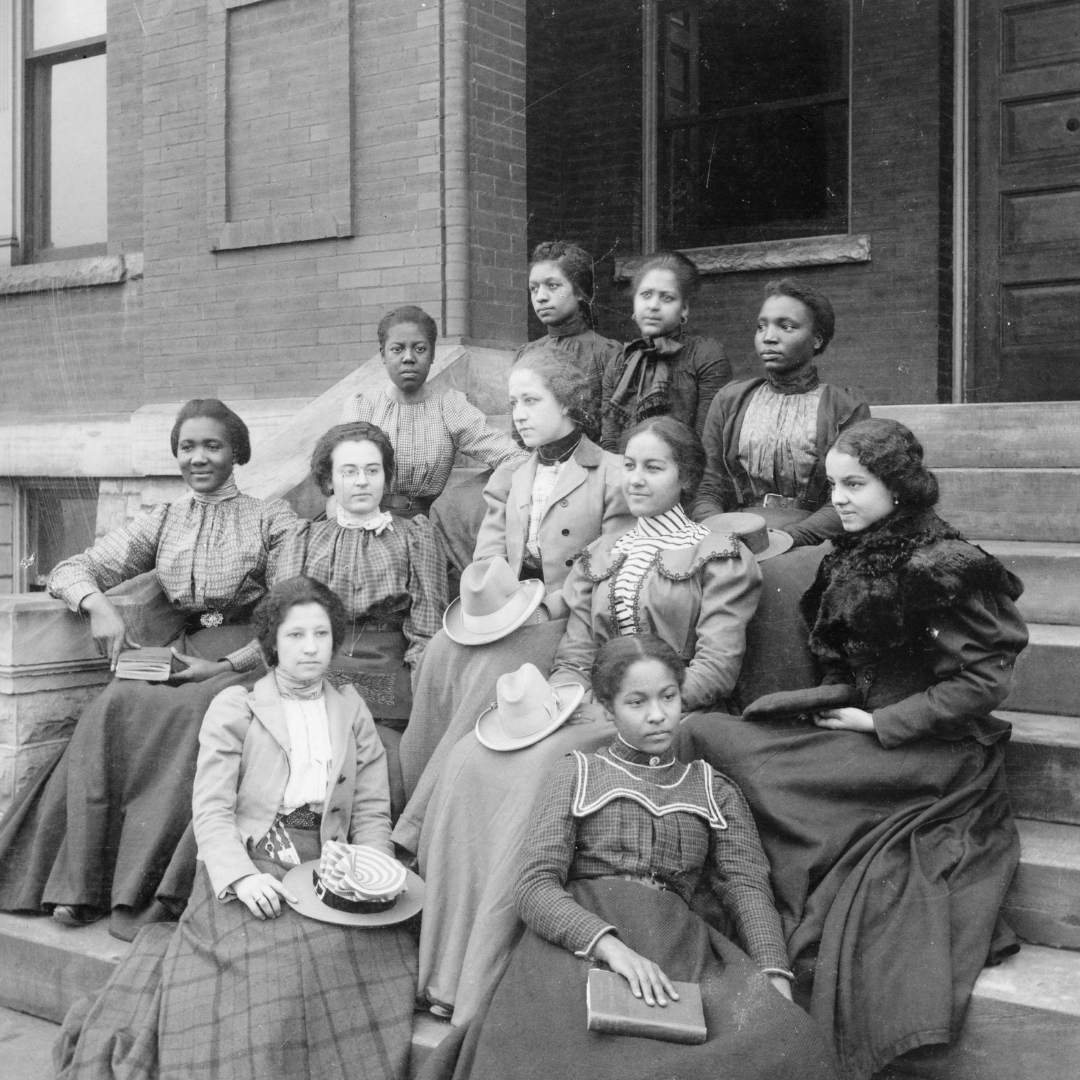
By Kapua Iao
“Gratitude is a divine emotion: it fills the heart, but not to bursting; it warms it, but not to fever.”
from Shirley by Charlotte Brontë
One of the many ways Yellow Arrow Publishing encourages women writers and women in publishing is through inclusion within the organization itself. We welcome (and thrive with) our volunteers and interns, not only for our own benefit but to also (hopefully) provide a prospective future publisher with some necessary tools and knowledge about the publishing world. And even if a volunteer does not plan to continue within the publishing world, the tools and knowledge of working in a women-led, collaborative organization. One that champions the different and the unique. One that looks for partners and allies rather than quick connections, whether from our own Baltimore community (such as Towson University!) or from further afar.
As Editor-in-Chief, it would be impossible for me to organize, create, and publish without the incredible help of our editorial associates and interns. They provide the thought process behind each journal by picking each issue’s theme and reading/voting on each submitted piece. They then read through the chosen submissions and edit them carefully and thoughtfully, not to change the voice of the author but to ensure that the voice flourishes. They provide continuous feedback and proofread the final product before release. And the same goes for our published chapbooks as everyone involved takes the time to make sure the final draft is perfect for the author.
We try to find each volunteer, each intern space in our organization to grow and flourish in the area they are most interested in (and of course where we need the most help!). Past interns have worked at our live events and at Yellow Arrow House. They hand bound our publications and put as much love and tenderness into each copy as we could hope. Now that we are a mostly virtual publishing organization, they focus on writing and/or copyediting grants, blogs, and press releases. They create promotional material and images for our authors and explore or research possible future marketing campaigns. And above all else, they support. Not only me but our authors as well. I am so thankful to have had them with me on this journey.
Currently, we have two new volunteers as well as several who started with us a couple of years ago. I would like to introduce you to our present editorial associates and interns as well as a few from the past (not listed below but valued for their assistance: Meredith Eilola, Eleanor Hade, Josie Hatton, and Rebecca Massey). Each has my appreciation.
Elaine Batty
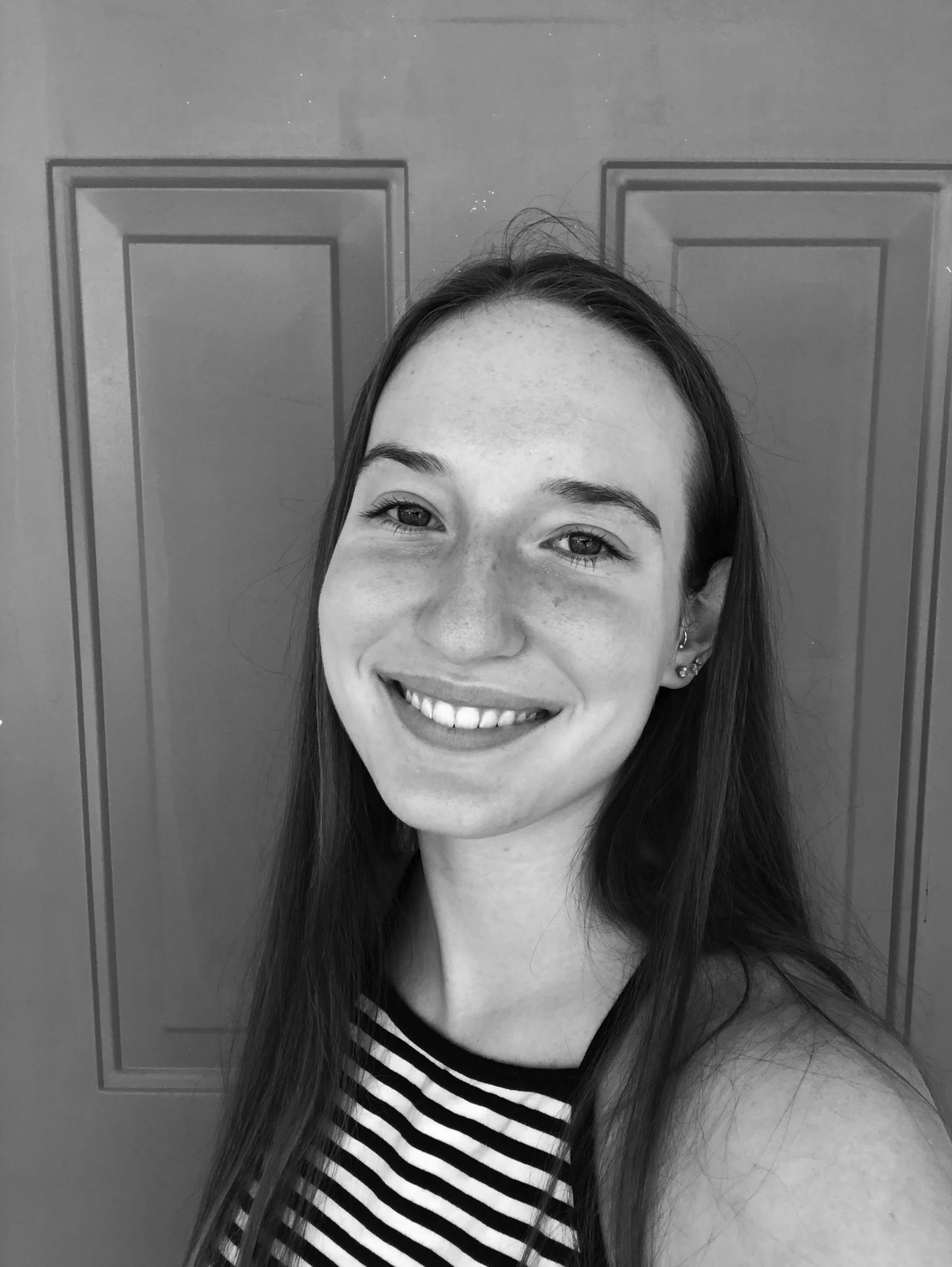
Lives in Baltimore, Maryland
YA position: marketing intern, Aug-Dec 2020
What did you do? I did a lot of fun things while working with Yellow Arrow, but some of my favorites were making the press releases and promo images. I also really enjoyed making my blog posts (see Elaine’s latest here).
Did you go to Towson University? Yes! I will be graduating in May 2021.
What are you currently working on? I am currently working on a winter class and gearing up to start my final semester at Towson. I am also actively trying to spend as much time in nature and as much time reading as possible!
Elaine is a student at Towson University graduating with a B.S. in English on the literature track. Her poetry has been featured in the College of Southern Maryland’s Connections Literary Magazine. In her free time, she enjoys reading all genres of fiction, writing poetry, and playing with her two cats, Catlynn and Cleocatra. Elaine’s two real passions are literature and travel, and she plans to look for a job following graduation that will allow her to pursue both full-time. Find her on Instagram @elaine_batty.
Bailey Drumm
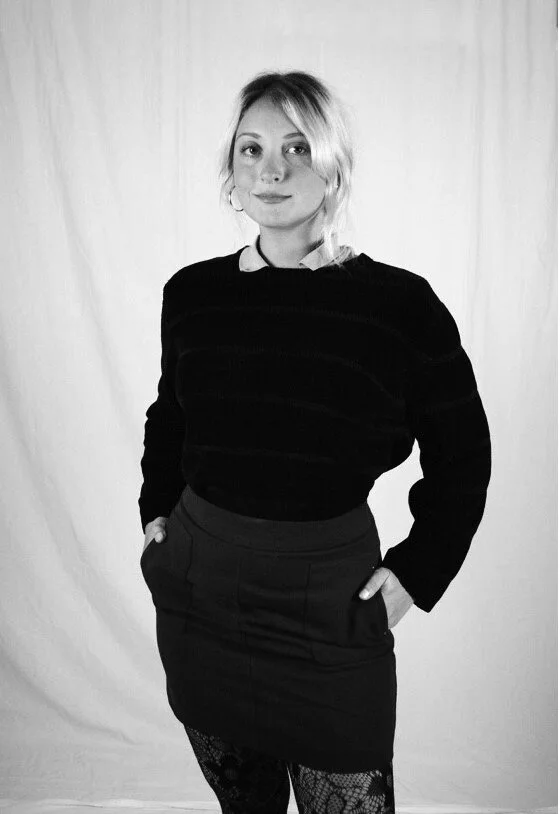
Lives in Fallston, Maryland
YA position: editorial associate, Aug 2019-present
What have you done so far? I’ve edited two editions of the journal, written a book review for the last edition, assisted in binding last January, and participated in the First Friday Art Walk Reading series.
Did you go to Towson University? Yes (though this is not how I became associated with Yellow Arrow), May 2014.
Did you work for Towson’s Grub Street Literary Magazine? Sure did! I was the nonfiction editor.
What are you currently working on? I review pieces submitted to JMWW and work for the U.S. Attorney’s Office. I have just recently taken a position with Baltimore Fishbowl reviewing books and interviewing authors.
Bailey is a fiction writer whose work has been featured in Grub Street, and whose digital art was displayed as the cover art for the 2017 edition of Welter. She is an M.F.A. graduate from the Creative Writing and Publishing Arts program at the University of Baltimore. Her collection of short stories, The Art of Settling, was published in the spring of 2019. Find out more at Bailey-Drumm.square.site.
Brenna Ebner
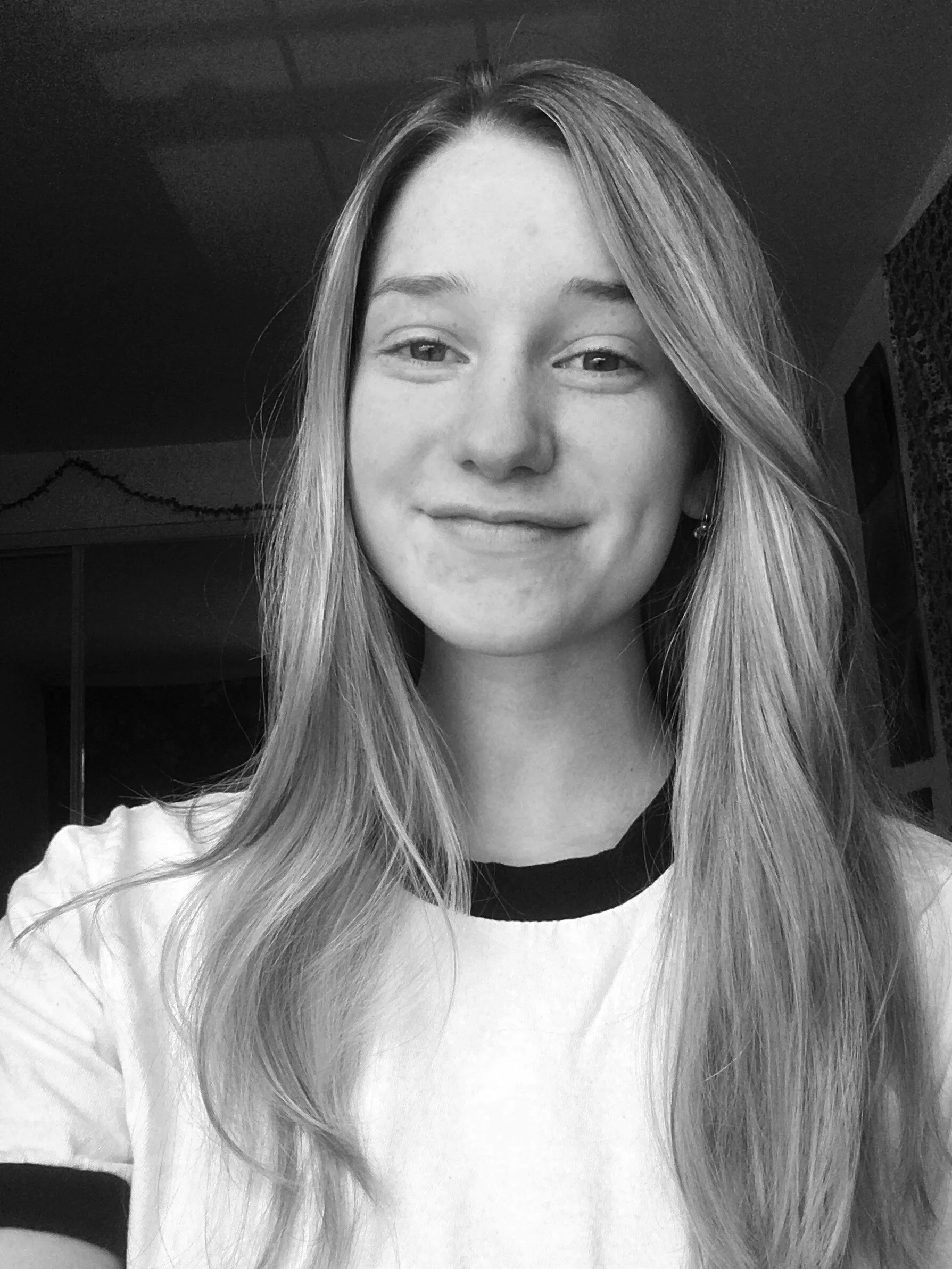
Lives in Baltimore/Towson, Maryland
YA position: publications intern, Sept-Dec 2020; CNF Managing Editor, Feb 2021-present
What did you do (as publications intern)? Copyedited and proofread the samurai, YAJ (Re)Formation, and Writers-in-Residence zine; researched and contacted reviewers, podcasts, blogs, and bookstores; approved submissions for (Re)Formation and assisted in the layout; wrote blog posts and a guide for authors to market themselves; and created promotional images for social media.
Did you go to Towson University? Yes, May 2020.
Did you work for Towson’s Grub Street Literary Magazine? Yes, online nonfiction editor of volume 68 and Editor-in-Chief of volume 69.
What are you currently working on? Learning how to format eBooks with Mason Jar Press, walking dogs and pet sitting part-time, and trying to finish a memoir reading list.
Brenna is a recent Towson University graduate and intern at both Mason Jar Press and Yellow Arrow. She is fascinated with creative nonfiction and hopes to pursue a dream career editing it full-time. You can find pictures of her and her dog on Instagram @look_its_brenna.
Kierstin Kessler
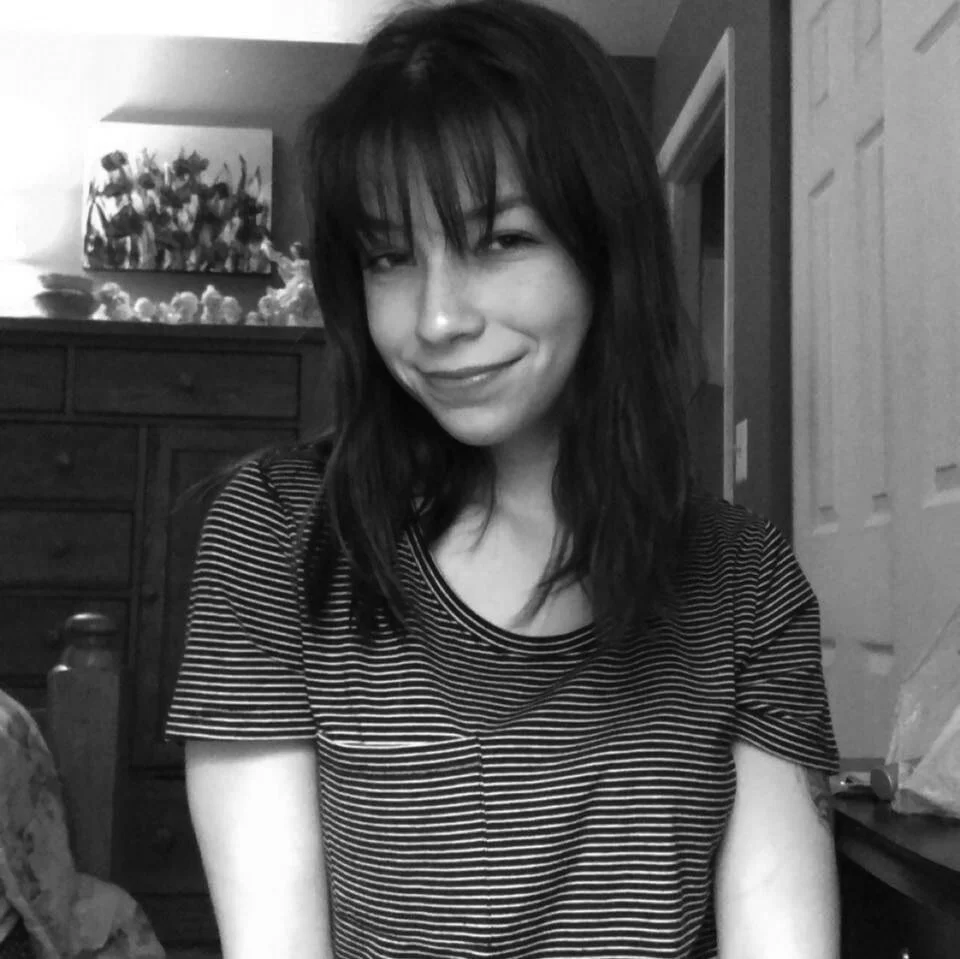
Lives in Shrewsbury, Pennsylvania
YA position: editorial associate, Jan 2019-present
What do you do? I’ve proofread/edited multiple chapbooks, read through submissions, and contributed edits to the final versions of two Yellow Arrow literary journal issues.
Did you go to Towson University? Yes, I graduated in December 2019.
Did you work for Towson’s Grub Street Literary Magazine? Yes! In one semester I was an assistant fiction editor, and in the other, I was the online creative nonfiction editor.
What are you currently working on? I am currently working on a few of my own projects, including a fiction book and a memoir.
Kierstin lives a relatively quiet life in Shrewsbury, Pennsylvania. She graduated from Towson University with a degree in English in December 2019. In her spare time, Kierstin enjoys reading and writing urban fantasy. Instagram her @kierstinkessler.
Alexa Laharty
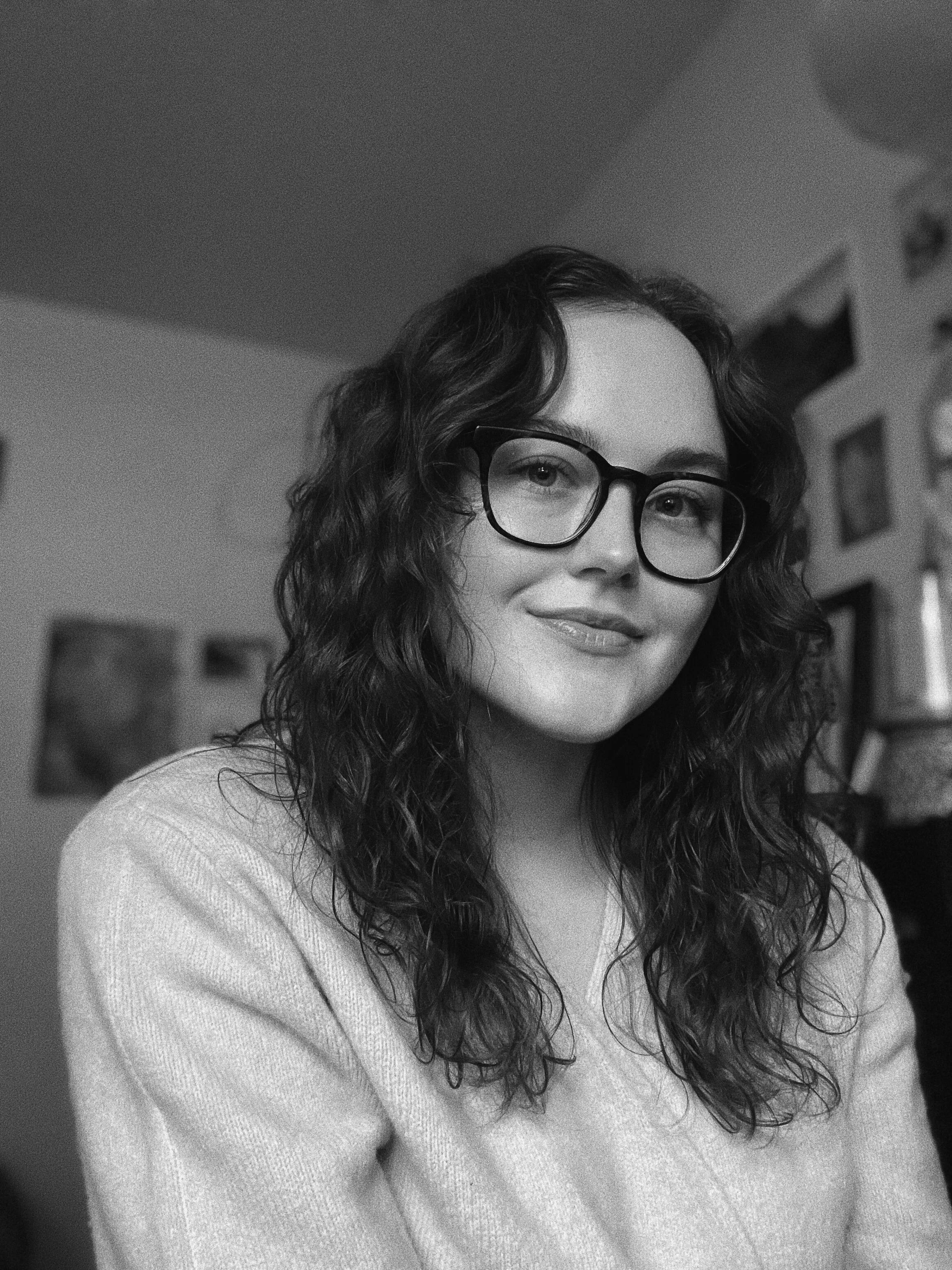
Lives in Olympia, Washington
YA position: editorial associate, July 2019-Jan 2021, Creative Director, Jan 2021-present
What do you do? I edit creative nonfiction pieces for Yellow Arrow Journal and have recently begun to help with graphic design and layout for Yellow Arrow publications.
Did you go to Towson University? No.
What are you currently working on? I am currently writing my dissertation for my masters in Bioarchaeology.
Alexa grew up in Portland, Oregon (just a few blocks away from Gwen Van Velsor, Yellow Arrow’s founder!) before moving to Boston for college. She has spent the last several years living in England for graduate school where she studies archaeology. Due to the pandemic, she has returned to the Pacific Northwest and is enjoying being near family and the gorgeous outdoors. Find her on Instagram @alexaelisabeth.
Michelle Lin

Lives in Lutherville – Timonium, Maryland
YA position: marketing intern, Jan 2021-present
What do you do? I help Yellow Arrow with marketing. Some of these tasks include creating newsletters, updating Yellow Arrow’s website and calendar, creating Facebook events, writing and editing press releases, and creating weekly posts on Yellow Arrow’s social media platforms.
Did you go to Towson University? I am currently attending Towson University and will be graduating in Spring 2021.
Did you work for Towson’s Grub Street Literary Magazine? I did take part in Towson’s Grub Street Literary Magazine course. I was their online poetry editor for volume 69.
What are you currently working on? Outside of Yellow Arrow I am currently working on graduating from Towson University with a B.A. in English on the writing track.
Michelle is a student at Towson University who will be graduating in spring 2021. She had previously served as the Online Poetry Editor for volume 69 of Towson University’s literary magazine Grub Street. Michelle currently lives in Lutherville – Timonium with her family. During her downtime, she enjoys reading and writing poetry. To read more of her work, her writing can be found on Instagram @m.l_writes.
Siobhan McKenna
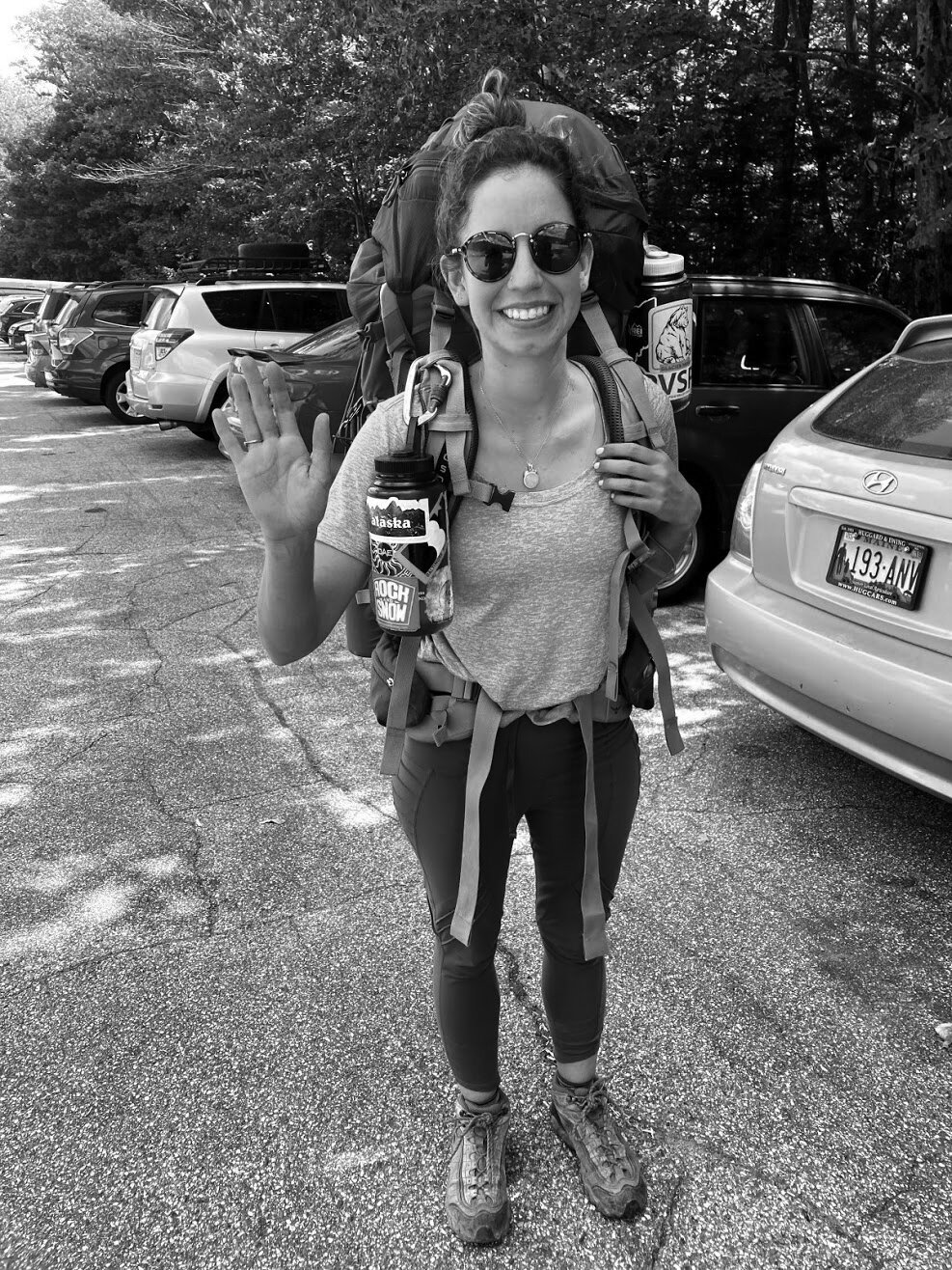
Currently living in Jacksonville, Florida
YA position: editorial associate, Dec 2019-present
What do you do? During my time with Yellow Arrow, I have worked with Kapua and the editorial team as an editorial assistant on three literary journals: Resilience, Home, and (Re)Formation, as well as on two chapbooks: Smoke the Peace Pipe by Roz Weaver and the samurai by Linda M. Crate. In preparation for the chapbook releases, I was honored to also interview both Roz and Linda about their pieces and the purpose of their work. In addition, I worked with Gwen and the bookbinding team to bind, by hand, Resilience.
Did you go to Towson University? No.
What are you currently working on? Outside of Yellow Arrow, I am a cardiac surgery ICU nurse; I care for patients recovering post-operatively from surgeries including heart and lung transplants and bypass grafts. This past year, I also was among the frontline workers caring for COVID-19 ICU patients. I am the editor of my unit’s newsletter and am actively involved with Dr. Laurel Braitman’s Writing in Medicine group – a virtual creative writing outlet for healthcare workers throughout the pandemic.
Siobhan is a middle child and a lover of bikepacking and practicing yoga. She enjoys writing essays, poetry, and long-winded letters to friends. For the past nine years Siobhan has lived in the charming city of Baltimore but beginning in the spring she will start work as an ICU travel nurse—moving to a different city every three months to work, write, and explore all that this crazy, broken, and beautiful country holds. You can follow her on Instagram @sio_han.
Madison Miller

Lives in Logan, Utah
YA position: editorial associate, Feb 2021-present
Did you go to Towson University? No.
What are you currently working on? I am currently a senior at Utah State University, and I am double majoring in English and Political Science.
Madison is currently a student at Utah State University and is so excited to be a part of the Yellow Arrow Team! Madison is originally from Southern California so getting used to the snow and cold weather has been a big adjustment for her. She is interested in Yellow Arrow’s mission statement of helping women become voices in literature because so often women’s voices have not been heard enough. Madison loves to read books and watch movies and TV shows. She is into Young Adult Fiction but has recently found a love in the classics like Little Women. Madison is grateful to be working for Yellow Arrow this year and cannot wait to see all the publications she gets to work on!
Deja Ryland
Lives in Baltimore, Maryland
YA position: grant writing intern, May-July 2020
What did you do? I researched grant opportunities that would be a good fit for Yellow Arrow, copyedited grants, assisted in writing portions of grants, synthesized data into a spreadsheet, helped draft letters of intent, created a survey, and was able to learn from and work alongside supportive and amazing women.
Did you go to Towson University? Yes, I graduated in August 2020.
What are you currently working on? Currently, I have a full-time job but continue to write poetry, short fiction stories, and nonfiction pieces in hopes of sharing my work and becoming a freelance writer. I am also currently learning how to play an acoustic guitar.
Deja is an emerging author. Born and raised in Baltimore, Maryland, she hopes to engage her boundless curiosity through her writing. She enjoys writing poetry, short stories, and nonfiction pieces. In her free time, she likes to take long walks in nature, exercise, eat, travel, and spend time with her family. Although she has no social media currently, be on the lookout for her name, which she aspires to be among collections of books or poetry on your bookshelves one day soon.
Thank you to everyone who supports these women and all writers who toil away day after day. Please show them some love in the comments below or on Yellow Arrow’s Facebook or Instagram. If interested in joining us as an editorial associate or intern, email staff@yellowarrowpublishing.com.
Yellow Arrow Publishing is a nonprofit supporting women writers through publication and access to the literary arts. To learn more about publishing, volunteering, or donating, visit yellowarrowpublishing.com.
Cherishing the Present: A Conversation with Ellen Dooling Reynard
From February 2021
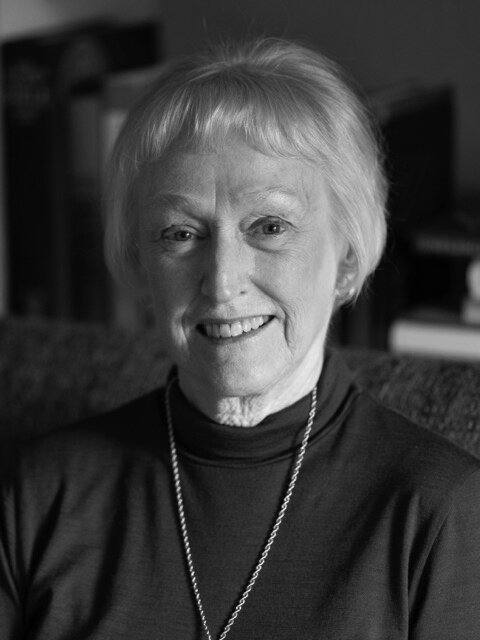
Ellen Dooling Reynard sits in her kitchen nestled in the foothills of the Sierra Mountains. Behind her, a black cat jumps onto the counter. She grins, “He wants to play with the keys.” Her warmth spills through the computer screen that connects us as Ellen mentions that he, along with her other cat, are sources of inspiration for her writing and laughter. Ellen, the author of the next Yellow Arrow Publishing chapbook, No Batteries Required, released April 2021, spoke to Yellow Arrow Editorial Associate, Siobhan McKenna, while taking a break from packing up her California home. This wonderful chapbook is now available for PRESALE. Information about a virtual reading at the end of April is forthcoming
No Batteries Required examines the world around Ellen from the perspective of her inner world. As a senior, she looks back on her life, its joys and sorrows, its loves and losses, while she navigates the unknown currents of old age and ponders about the journeys of life, death, and what lies beyond. Ellen spent her childhood on a cattle ranch in Jackson, Montana. Raised on myths and fairy tales, the sense of wonder has never left her. A one-time editor of Parabola Magazine, her poetry has been published by Lighten Up On Line, Current Magazine, Persimmon, Silver Blade, and The Muddy River Poetry Review. She is now retired and has relocated to Clarksville, Maryland, where she will continue to write fiction and poetry. She is currently working on a series of ekphrastic poems based on the work of her late husband, Paul Reynard (1927–2005).
In a week [from this interview], Ellen will be moving east to separate herself from the worsening wildfires and to be closer to family. Yet for someone who is moving across the country, she appears very at peace. “That’s life,” she says when asked how she is faring with the move. “Selling a house and packing a house and then dealing with something that’s wrong with the house. I can worry about all of that and then I realize that this is the second to last week that I’m going to be here—so that’s right now. What is going to happen is going to happen on the trip.” After a beat, she adds with a laugh, “I am a little nervous.” Siobhan asked Ellen to talk more about her appreciation for the mundane moments of life, her curiosity toward the natural world, and her ability to see aging as a gift—the themes of No Batteries Required.
YAP: The first section of your chapbook is called “moments and non moments” with even the non moments being full of meaning. How have you found your non moments to be “presents of presence”?
Because I’ve had a life-long spiritual direction that my mother was also involved in—the teachings of [G.I.] Gurdjieff . . . [a] middle eastern teacher of philosophy and knowledge. [His teaching] is a lot about being in the moment (before it [became] a buzzword in modern psychology) and living life right now; not yesterday and not tomorrow. What is in front of me right now? Who am I right now? These kinds of moments, the non moments, [are] what end up being “presents of presence.” [Presents of presence is about] finding yourself if you are really irritated because you are delayed by something. Maybe you are going to be late for an appointment. Or you may not even have a reason to be annoyed and you just don’t like slowing down. So, in the middle of a moment like that you have to realize that you are alive, and you are breathing and there are birds singing outside and interesting things to be feeling about one’s children and all of one’s loved ones. There is plenty of material in the present moment even if even if you are waiting at a broken traffic light.
YAP: How does it feel to look back at seemingly non moments: family breakfast, dishes, chores, Montana winters, and find meaning within them?
I learned deep down an appreciation for being where you are because we would be snowed in all winter. We were six children and my mother homeschooled us, because there was no way we could get anywhere. The nearest school was a [one-room schoolhouse in town], 10 miles away. We didn’t get down to town the whole winter. We would have to put away a lot of food and my mother had to figure out how to age the eggs in barrels. She had to cook and can, garden, milk cows, separate cream from milk, make butter . . . [having been gently raised back East, as a rancher’s wife], she learned how to do all that stuff—it was amazing.
YAP: Your second section called “Life’s Journey Home” centers on growing older. When referring to yourself in your bio you call yourself a “senior” and you call Fredrica a “senior” in the poem of the same name. Do you see yourself in Fredrica now as you have entered this older stage of life?
No, not Fredrica, but my mother and my aunt. My Aunt Peggy lived to be 103 and when she was in her 70s, she decided she was going to grow old gracefully. She was a very busy woman—did all kinds of project. . . . she kept chugging along all those years and always with a lot of laughter and a lot of good humor. And I’ve become the Aunt Peggy of my generation among my sisters’ children, and I don’t mind seeing myself that way. [Old age is] a kind of special time and a privileged time because you don’t have to prove anything anymore.
YAP: In “Old Age” you write, “these are the best years,” and talk about allowing the world’s youth to carry the burden of knowing “the unknowable” so you “old ones” can move “into a new world.” These words are beautiful and reminiscent of a future realm after this life. Paired with the title of this section, “Life’s Journey Home,” I’m curious as to what you believe our next life entails and if there is a spiritual aspect to your words?
There is a Native American belief that when you’re born you come through the Milky Way and there’s a person there called Blue Woman. [She] encourages the new life to go ahead and be born. Then, when somebody dies, they go back through the same portal and Blue Woman is there to welcome them back to the same world that they came from. That’s—in a way— my view: that after death of the body there’s some kind of life that goes on. It may not be angels with halos and sitting on white clouds, but there’s something that continues. . . . [Gurdjieff said] that depending on how we live there are various places where the spirit ends up. The ideal is to go back to the center of the universe—what you might call God; that original force that started everything.
YAP: In your poem “Montana,” I love the juxtaposition of the beauty of the natural world against the reality of the natural world. You talk about the mountains as “blue-shouldered and white peaked” but also “uncaring in their majesty” and the sun melting away snow that once again reveals the graves of your mom and your husband. Why are these contrasts important to you and how do you see the beauty and reality working together?
I think that was part of growing up on a ranch. Seeing a lot of birth and death juxtaposed with animals on the ranch. [We lived on] a cattle ranch so we saw animals being born and I was interested in one being butchered, but my mother didn’t want me to watch. My father also had a very beloved dog who was a wonderful cow dog. My father accidentally killed him when he was backing up some huge machines and [ran over] the dog. . . . I saw a lot of extreme opposites in relation to nature. I think it happens within human beings also—there’s joy and there’s sorrow and they define each other.
YAP: Your final section is called “Seasoned with Humor.” How are you able to find humor within the trials of getting older?
I think my Aunt Peggy, who was a big influence in my life, was the one with the best sense of humor. . . . I went through a period of life where I was a sad person and being around my aunt was always a big help. Even when things were really hard, she had a sense of humor. At one point for instance, she fell and broke her back in her 90s, so she had to be in her room for a long time on a hospital bed. She asked if they could push her hospital bed around so she could look out the window because there was a squirrel feeder. There was one squirrel that would do all of this crazy stuff, and she would sit there and laugh—with a broken back. She was no sissy.
Also, with aging, I am lightening up. I don’t know exactly why. Because when you’re young and busy with a career and having children—there’s a lot that makes you go like this *Ellen furrows her brow and points to the space between her eyebrows* and it makes you get this crease. [With age] it seems more possible to just relax in front of something that is difficult. They say that things don’t hurt so much when you relax. It is when you tense that you make all your nerves jangle and relaxing feels better.
YAP: How long have you been writing?
I’ve been writing various things for a long time. I was an editor, and I wrote some [articles] for the magazine I was working for which was Parabola Magazine. I only started writing poetry a little more than a year ago. I took a memoir class and started to privately publish for my children the story of my life and their life. My [memoir] teacher was really good, and I found out that she was going to be teaching a poetry class at the local OLLI Institute—the Osher Lifelong Learning Institute (it’s a non-for profit that makes it possible to have classes for senior citizens at very little cost). Anyway, [my teacher] was going to give a poetry class so I thought well, let me try writing poetry. [My teacher] was very encouraging and we became very good friends. Eventually, one thing led to another and she actually proofread this manuscript for me. Because of the classes, I’ve [joined] some writers groups mostly for people like me—not so young. It’s been very inspiring. I love it.
YAP: What does having your poems published for others to read mean to you?
It’s a real shot in the arm. I just started writing poetry and already to have something that other people can read; I love it. It really inspires me to keep on going and keep on writing.
YAP: What was the inspiration behind the cover with three pencils?
I was just fooling around with my camera, and I [visualized] pictures of pencils. I got different pencils and lined them up in different ways. And then, [Kapua Iao, Editor-in-Chief] got [Yellow Arrow’s Creative Director, Alexa Laharty] to draw it and I really loved it. It was just a little visual moment that I was having with my pencils and my camera—I was just doodling around. I’m so glad [they] wanted to run with that idea.
YAP: Why did you decide to publish your work with YAP?
Because you accepted me! I sent it out to lots of different places and didn’t get any other offers. I’m thrilled. I also noticed that [Yellow Arrow had] lots of workshops and events so I’m hoping that once we are allowed to go out and meet people that I would love to find some writing groups!
*****
Every writer has a story to tell and every story is worth telling. Thank you Ellen and Siobhan for such an insightful conversation. Yellow Arrow Publishing is a nonprofit supporting women writers through publication and access to the literary arts.
Glancing Back in Order to Move Forward: Where Women Stand in the Publishing World
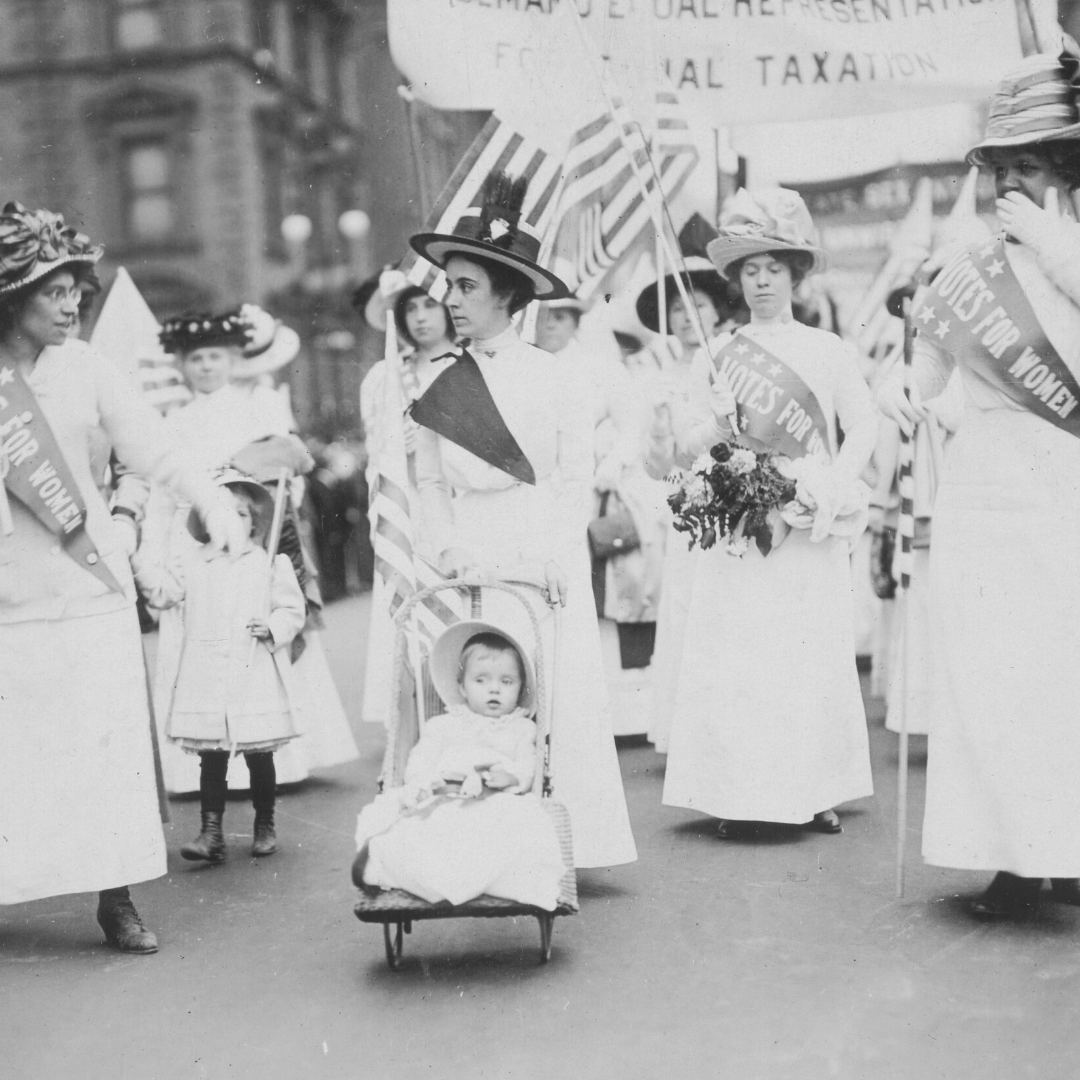
By Siobhan McKenna, written February 2021
Throughout most of history, publishing was known as a gentlemen’s career where women served as secretaries, published under a pseudonym, or whose skills were doubted when they succeeded at holding high-ranking positions. Elizabeth Timothy has come to be known as one of the first woman publishers in America when in 1738 she inherited the South Carolina Gazette after her husband died. She continued to publish the Charleston-based newspaper under her 13-year-old son’s name as publishing as a woman was far from accepted in the pre-Revolutionary war era (1).
In addition to Timothy, Cornelia Walter was an early female publisher who became the editor of the Boston Transcript. Walter is most notably recognized for her reporting on a Philadelphia race riot that left many black citizens injured and homeless on August 3, 1842. When Walter left the newspaper in 1847 (because she was getting married), the newspaper’s owners printed that “the experiment of placing a lady as the responsible editor of a paper was a new and doubtful one . . . and her victory the more brilliant” (1).
By 1870, white women in publishing recognized growing gender discrimination against them and organized their own trade union in order to fight for better wages, as they were paid a third of a man’s salary (1). Nevertheless, while white women banded together, African American women were left out of the union but contributed to their own segregated journals. Ida B. Wells, an African American editor and journalist, wrote fiercely among a cohort of male colleagues. Throughout the late 1800s, Wells was the editor of several prominent newspapers with much of her work focusing on antilynching activism. In 1893, she coauthored an antilynching pamphlet with Frederick Douglass (2).
Today Timothy, Walter, and Wells would be surprised to learn that the world of publishing has become a female-dominated field albeit still white. A 2019 study conducted by Lee & Low Books reported that the industry is 74% cis-women and 76% white (3). This past summer two giants in the industry made strides to diversify their workforce by naming a woman of color as their senior vice president and publisher: Dana Canedy for Simon & Shuster and Lisa Lucas for Pantheon and Schocken Books, respectively.
The announcements of Canedy’s and Lucas’ positions came after a heavy few weeks, with the deaths of George Floyd and Breonna Taylor among other innocent Black lives as well as a resurgence of the Black Lives Matter movement. And yet, it is appalling that in interviews regarding her new position Canedy had to resolutely defend that her qualifications go beyond being Black. In talking about the events leading up to her appointment, Canedy said that Jonathan Karp, the chief executive of Simon & Schuster “should get credit for the fact that in an era of racial reckoning, when suddenly everybody is looking for people of color and women to add to their boards and to bring in to their companies—he started talking to me two years ago. . . . I wouldn’t be taking this job if I thought he just wanted a Black publisher” (4).
Yet, in order for more women of color to be represented in the publishing industry, diversifying the workforce cannot only occur at the executive level. Publishing houses will have to forgo the traditional ways of hiring from within and recruit BIPOC staff from outside current staff members because only when many, smaller-scale presses begin to evaluate their own companies can systemic change occur. It is the job of independent publishers—like our own Yellow Arrow Publishing—to take the initiative to include BIPOC voices within our company and its publications.
Over the summer, Yellow Arrow recommitted itself to examining how to include female-identifying voices of color and to promoting already established literary spaces such as Zora’s Den, which promotes Black women writers in the Baltimore area. Yellow Arrow, as a fierce woman-identifying platform, has the power to elevate the voices of color that have for far too long been underrepresented in society and in the publishing community. As a publishing company with a long-standing mission to listen to the beating heart behind every woman’s story, we can only move forward after internalizing the words of the writer and civil rights activist, Audre Lorde, who stated, “I am not free while any woman is unfree, even when her shackles are very different from my own. And I am not free as long as one person of Color remains chained. Nor is anyone of you” (5).
Siobhan McKenna is a middle child and a lover of bikepacking and practicing yoga. She enjoys writing essays, poetry, and long-winded letters to friends. For the past nine years Siobhan has lived in the charming city of Baltimore but beginning in the spring (now!) she will start work as an ICU travel nurse—moving to a different city every three months to work, write, and explore all that this crazy, broken, and beautiful country holds. You can follow her on Instagram @sio_han.
******
Yellow Arrow Publishing is a nonprofit supporting women writers through publication and access to the literary arts. To learn more about publishing, volunteering, or donating, visit yellowarrowpublishing.com.
Sources:
(1) “Women in Publishing.” History of American Women. https://www.womenhistoryblog.com/2013/05/women-in-publishing.html
(2) McMurry, Linda. “Wells-Barnett, Ida Bell.” American National Biography, Feb 2000. https://www.anb.org/view/10.1093/anb/9780198606697.001.0001/anb-9780198606697-e-1500924
(3) “Where is the Diversity in Publishing? The 2019 Diversity Baseline Survey Results.” Lee & Low Books, 28 Jan 2020. https://blog.leeandlow.com/2020/01/28/2019diversitybaselinesurvey/
(4) Harris, Elizabeth. “Simon & Schuster Names Dana Canedy New Publisher.” The New York Times, 17 Nov 2020. https://www.nytimes.com/2020/07/06/books/dana-canedy-named-simon-schuster-publisher.html
(5) “(1981) Audre Lorde, ‘The Uses of Anger: Women Responding to Racism.’” BlackPast.org. 12 Aug 2012. https://www.blackpast.org/african-american-history/1981-audre-lorde-uses-anger-women-responding-racism/
Meet a Board Member: Jennifer N. Shannon
We at Yellow Arrow Publishing are thrilled to introduce one of our newest board and staff members, Jennifer N. Shannon! She has joined the Yellow Arrow family as our Marketing Director. Jennifer has written and published three books and has had short stories and poems published in several literary magazines such as Deep South, The Auburn Avenue, and an essay forthcoming in North Dakota Quarterly. Jennifer’s work is also being featured in the Maryland State Arts Council 2021 Virtual Exhibition titled Identity.
Our Grants Manager, Sara Palmer, asked Jennifer a few questions to introduce her to the rest of our community. You can also find a video of Jennifer on the Yellow Arrow Facebook page.
YAP: How did you get involved with Yellow Arrow?
I was introduced to Yellow Arrow by someone at the Maryland State Arts Council. I wanted to get more involved in the Baltimore writing community and I was able to speak with Gina Strauss, who is currently on the Yellow Arrow board. Our conversation was very honest and refreshing, and I felt that the mission and values of Yellow Arrow aligned well with my own. It’s been fun so far and I look forward to learning a ton while using my past experiences to help Yellow Arrow move forward.
YAP: What are you working on currently?
Well . . . the big thing is a novel. I’ve been working on this novel for almost two years now, but it’s moving along well, and I’m so excited about the story I’m telling. It’s set in Baltimore during the 1940s and explores the lives of Black women who are living and working in a brothel. I’m also writing essays and poems. I’m in two writers groups which keep me consistent and I’m always looking for opportunities to submit my work. I write often even if it’s not something that ever makes it to a broader audience. I love exploring photography and when the mood hits, I draw and paint.
YAP: Who is your favorite writer and why?
Toni Morrison is my favorite because her book The Bluest Eye changed my life. I read it in a Women’s Study Class at the University of South Carolina my freshman year in college. Our analysis of the book and everything it symbolized spoke to me in a way that was indescribable. That book gave me the confidence to write exactly what I felt, how I felt it. It also showed me the power of words and the complexity of characters. I am eternally grateful for Toni Morrison and other writers who I admire such as Gloria Naylor, Zora Neale Hurston, and Lucille Clifton (just to name a few).
YAP: Who has inspired and/or supported you most in your writing journey?
That’s a good question. More and more I’ve been inspired by other writers. Listening to the perspectives, styles, and brilliance of my fellow poets, essayists, and fiction writers has been amazing. I am in awe of beautiful writing. But my mom is probably the person who has inspired and supported me most. I mean, all of my family and friends have a belief in me that I sometimes haven’t had in myself, but my mom has always been my number one fan. She probably unknowingly put it in my mind to write because she was a great writer and talked about writing in a way that intrigued me. She always has and still does read all of my work, she gives me feedback, and she constantly encourages me. She’s the best! I love you Mom!
YAP: What about your writing do you think is most unique?
I guess the most unique thing would be my dialogue. Mainly because I write as I hear it or would say it. The dialect I use is southern since I’m originally from South Carolina.
YAP: What advice do you have for new writers?
Keep writing—you'll only get better. Get involved with critique groups. Submit your work. Don’t let rejection discourage you, it happens to all of us. And the only reason to write is because you love it. As Whoopi Goldberg said in Sister Act 2: “If when you wake up in the morning all you want to do is sing, then girl you s’posed to be a singer.” Same goes for writing . . .
Visit Jennifer’s website, www.jennifernshannon.com, and follow her @writerjns on Instagram, Facebook, and Twitter.
*****
We are so fortunate to have Jennifer join our team and look forward to working with her and reading her work. Yellow Arrow Publishing is a nonprofit supporting women writers through publication and access to the literary arts. Thank you for supporting independent publishing.
Yellow Arrow Journal Submissions are Now Open!

Yellow Arrow Publishing is excited to announce that submissions for our next issue of Yellow Arrow Journal, Vol. VI, No.1 (spring 2021) are open March 1–31 addressing the topic of Cultural Resurrections: the act of bringing a culture back from extinction or near extinction.
For too long history has been written by victors, resulting in a narrative absent of the tales of colonized cultures. If by ink and paper an entire people can be erased, then by ink and paper they can be resurrected. This issue’s theme will be:
Renascence
reviving something that was once dormant
How does your culture shape your personal identity? What part of your culture has been lost, or nearly lost? How was it lost? Why?
How have cultural absences affected your life? Strengthened it? Made it more difficult? What do you wish you had learned in school about your cultural identity?
What parts of your personal identity have been awakened/reawakened by your cultural identity? How?
Share the lost stories of your culture, write your histories back into existence. EMERGE.
Yellow Arrow Journal is looking for creative nonfiction, poetry, and cover art submissions by writers/artists that identify as women, on the theme of Renascence. Submissions can be in any language as long as an English translation accompanies it. For more information regarding journal submission guidelines, please visit yellowarrowpublishing.com/submissions. Please read our guidelines carefully before submitting. To learn more about our editorial views and how important your voice is in your story, read About the Journal. This issue will be released in May 2021.
We would also like to welcome our first guest editor for Yellow Arrow Journal: Taína, a proud Higuayagua Taíno writer on a mission to reclaim her indigenous Taíno culture and write her people back into existence with the same tools colonizers used to erase them. Taína was one of our incredible Yellow Arrow Journal RESILIENCE writers as well as one of our 2021 Pushcart Prize nominees. Connect with her at tainawrites.com or on Instagram @tainaconcurls. You can also learn more about Taína from her recent Yellow Arrow blog post on rewriting traditions.
The journal is just one of many ways that Yellow Arrow Publishing works to support and inspire women through publication and access to the literary arts. Since its founding in 2016, Yellow Arrow has worked tirelessly to make an impact on the local and global community by hosting literary events and publishing writers that identify as women. Yellow Arrow proudly represents the voices of women from around the globe. Creating diversity in the literary world and providing a safe space is deeply important. Every writer has a story to tell, every story is worth telling.
You can be a part of this mission and amazing experience by submitting to Yellow Arrow Journal, joining our virtual poetry workshop, volunteering, and/or donating today. Follow us on Facebook and Instagram to learn more about future publishing and workshop opportunities. Publications are available at our bookstore, on Amazon, or from most distributors.
*****
Yellow Arrow Publishing is a nonprofit supporting women writers through publication and access to the literary arts. To learn more about publishing, volunteering, or donating, visit yellowarrowpublishing.com.
Discovering the Publication World Through Towson University

By Brenna Ebner
The internship program at Towson University has helped me, many other graduates, and current students find not only experience in the field we plan to enter but help in building our resumes in interesting and fulfilling ways. This speaks to the many options and great freedom given to students who participate in the program. For example, many internships can take you abroad if you choose to go that route, and the final report for English majors, specifically, can be a mix of creativity and data on a topic of your choice rather than just a tedious research paper. All this goes to show that Towson wants their students to enjoy their experience while keeping an emphasis on learning and growing academically and professionally. Towson welcomes these opportunities for a student to not only help their college career but beyond as well, as they enter the full-time working world.
Some majors require you to participate in an internship while others may let you substitute an internship for a capstone course—an option I found offered to me as an English major. I took advantage of the opportunity and used my internship time to finish up my last year and semester as Editor-in-Chief of Towson’s literary magazine, Grub Street, in 2020. Constant guidance was offered to me by the Grub Street faculty advisor, Jeannie Vanasco, as well by my internship coordinator, Dr. Zosha Stuckey. This is often how Towson students find their ways to presses and publishers like Yellow Arrow Publishing! Stuckey and many other faculty members always go above and beyond to get students in touch with possible employers they know that could help during or after our college careers.
For English majors interested in working in the Baltimore area specifically, advisors have found students internships with Yellow Arrow, Mason Jar Press, BrickHouse Books, Baltimore Review, Baltimore Magazine, and Bancroft Press. While I spent my official internship with Grub Street, the unofficial internships I participated in after graduation with Yellow Arrow Publishing and Mason Jar Press also helped me pursue my career and brought me closer to my goals. Everyone has been so welcoming and helpful to get me started down my career path and gain knowledge about the editing field. My internship with Grub Street was also a significant jumping-off point; the experience I gathered there easily translated over to my future work. With all of them combined, I’ve learned so much about not only the editing process but the importance of independent publishers and presses and how they provide support and community to up-and-coming authors. It’s given me direction, opportunity, and motivation to become part of the editing and publishing process after such engaging experiences with them. I greatly appreciate being welcomed so warmly, supported so generously, and guided so carefully by Towson and the internships as I get started toward my new goal.
Brenna Ebner is a recent Towson University graduate and Editor-in-Chief of Grub Street Literary Magazine, volume 69. She has interned at both Mason Jar Press and Yellow Arrow Publishing and is looking forward to continuing to grow as an editor and establish herself in the publishing world.
******
Yellow Arrow Publishing is a nonprofit supporting women writers through publication and access to the literary arts. To learn more about publishing, volunteering, or donating, visit yellowarrowpublishing.com.
Rewriting Tradition

Yellow Arrow Publishing is excited to announce our first guest editor for Yellow Arrow Journal, Taína, who will be overseeing the creation of our Vol. VI, No. I issue on cultural resurrections. Taína is a proud Higuayagua Taíno writer on a mission to reclaim her indigenous Taíno culture and write her people back into existence with the same tools colonizers used to erase them. Connect with her at www.tainawrites.com or on Instagram @tainaconcurls.
Please follow us on Facebook and Instagram for the theme announcement at the end of this month. Below, you can read Taína’s perspectives on rewriting traditions.
By Taína
Originally written November 2020, updated February 2021
Our first Thanksgiving in our new home was in 2019, down the block from my brother. My family of four’s geographical shift tipped the family balance 5:2 in Baltimore’s favor, beginning what we thought would be a new tradition of having my parents over for Thanksgiving at our house. This year (2020) only proved us partly wrong.
For most of us, 2020 has been downright dystopic. A pandemic has taken over 400,000 Americans and has rewritten every aspect of life down to our most time-honored traditions. Bridal gowns are now designed with coordinating face masks. Birthday songs are sung through Zoom. Hugging now expresses a deeper intimacy, while avoidance has become a love language. Halloween was hollow and Thanksgiving thinner than ever, all to the tune of being gaslighted by those who insisted their right to celebrate supersedes life itself.
If I’m being honest, I’ve never really liked Thanksgiving. It’s always been more of a day built on resentment than gratitude. As a child, before I knew the Pilgrim and Indian story was a fabrication, I resented the long boring day of tortuous aromas that would fill me up long before they were tasted, so I could never eat as much as I wanted. As a teenager, I resented Mount Saint Dishmore waiting to be handwashed after the meal. These resentments were only aggravated when I discovered the first Thanksgiving was really a post-victory celebration of the massacre of 700 Pequots right in the middle of their Green Corn Festival. The year I found out about how Lincoln decreed the first official Thanksgiving should be scheduled one month to the day before the anniversary of the hanging of 38 Dakota warriors—the largest one-day mass execution in American history, I skipped it altogether.
I chose a man whose indifference toward the day was so synchronous with mine, he agreed to get married on Thanksgiving. We intended to rebrand it all together and secure a perpetual excused absence from having to celebrate at all, though we missed the fine print that said the pass didn’t apply to young children missing their parents on a day most people spend with their families.
As a person who has experienced the extreme erasure of being forced in school to memorize the names of the ships, but never once being taught the name of the people those ships carried into slavery (except that Columbus accidentally called them “Indians” and it stuck), despite being named after those people, I couldn’t understand why my family wanted to celebrate Thanksgiving at all. Along with the knowledge that Indigenous people don’t celebrate anything with gluttony and food waste, let alone following it up with a hunger game of shopping on Black Friday, I have no shortage of reasons to despise this day. So the irony was not lost on me, when last year, after a lifetime of resisting and resenting this day, the torch was passed on, and to me—the most unlikely Thanksgiving host in our family.
My reaction was equally ironic. I was just as surprised as anyone else to discover myself researching how to fold cloth napkins into pumpkin shapes and cooking multiple dishes, but the realization that the days of default gathering at my childhood home were over, made me eager to impress my parents. Yes, I wanted to reassure them we would thrive here, so close to my brother, in our new city, but it was more than that. I wanted to let them see that they had shown me how to keep the torch lit.
I found myself wishing my grandmother could see her daughter relaxing with mulled wine, instead of her usual solo marathon of cooking, while her children and grandchildren collaborated to serve her. I imagined the room filling with my ancestors. I could almost hear the generations of grandmothers proudly boasting to one another, “She gets that from me.” My brother, by far the most superior meat smith in the family, made the Thanksgiving turkey and the pernil; my mother brought her arroz con gandules all the way from New Jersey. There was stuffing and cranberry sauce, potatoes, and desserts. I’d even incorporated an Indigenous dish. I couldn’t get over how proud my ancestors must have felt watching us, and all at once, realization struck. The story they might have told us about this day was a lie, but all of the sufferings my ancestors endured was the origin story of the meal we were sharing. Just by gathering, we were writing the sequel. The one where the Indigenous return and thrive.
My 2020 table has not escaped estrangement. My parents are too high risk to travel, especially as out-of-state visitors. Still, I found myself surprisingly more grateful than I’ve ever been before. Despite the year’s trials, the torch is still burning and our story continues.
I am grateful that the empty spaces at my table are by choice and not by tragedy. My parents have already received the first dose of the vaccine, and I am grateful for the advancements in medical science without which we would be experiencing devastation at bubonic proportions. I am so excited by the promise of what reunions will feel like after such long separations, that the quiet winter holiday celebrations felt more precious than any of their predecessors.
I am grateful for the voices of the Indigenous who recently made themselves heard more loudly than ever. This next Congress will see more Native representatives than ever before in history, and there has even been an Indigenous appointment to our new Presidential Cabinet.
Most of all, I’m grateful to share this story in this space, because as a Taíno woman, I wasn’t even expected to exist, let alone write about it.
*****
Yellow Arrow Publishing is a nonprofit supporting women writers through publication and access to the literary arts. Thank you for supporting independent publishing.
Evoking Provocations from Patti Ross: A Conversation
Overwhelmed by the gentrification occurring from 2010 to 2013 in the areas around North Avenue and St. Paul Street in Baltimore, Maryland, Patti Ross recognized that the people from the neighborhood were being slighted by their own city. While the tenants preached their woes of displacement and fear of homelessness, Patti listened, wrote, and became an activist for their concerns in order to let them be heard. From this, St. Paul Street Provocations, Patti’s debut chapbook with Yellow Arrow Publishing, now available for PRESALE and ready for release in July 2021, was born.
Patti Ross graduated from Washington, D.C.’s Duke Ellington School for the Performing Arts and The American University. After graduation, several of her journalist pieces were published in the Washington Times and the Rural America newspapers. Retiring from a career in technology, Patti has rediscovered her love of writing and shares her voice as the spoken-word artist “little pi.” Her poems are published in the Pen In Hand Journal, PoetryXHunger website, and Oyster River Pages: Composite Dreams Issue, among others. You can find Patti at littlepisuniverse.com or on Facebook and Instagram.
A Yellow Arrow editorial associate, Bailey Drumm, recently interviewed Patti about her upcoming chapbook and what her home on St. Paul Street meant (and means) to her. You can also hear more about St. Paul Street Provocations and Patti tonight (February 9) at 7:00 p.m. with the Wilde Reading Series, also featuring Yellow Arrow’s very own Gwen Van Velsor.
YAP: What was the catalyst for the creation of St. Paul Street Provocations?
I am an advocate for the homeless and marginalized. I have long considered myself an advocate and am a member of the Poor People’s Campaign. I wanted some of those [people] that I met when I lived one block off North Avenue, in a somewhat blighted neighborhood, [I wanted their] voices to be heard, for them to be seen in some way—recognized. When I would chat with my homeless or economically and mentally challenged friends, they would all reveal a feeling of invisibility to society’s majority class.
YAP: What does Baltimore, especially St. Paul Street, mean to you?
Baltimore is my adopted city. Once I learned its history—I understood it better. I understood why there were streets that appear to be allies. I understood what Penn Ave and North Ave meant to the community. St. Paul Street and its community allowed me to rediscover and shape who I am. I often go back to the area and just sit and reflect. I can see evolution and the lack of progress at the same time. There is romance there for me.
YAP: This collection seems incredibly personal, genuine, and emotion-provoking. How would you describe the feeling of seeing the pieces put together in one place?
It is exciting and surrendering at the same time. The collection is very personal. Most of the poems were written out of experience—either my own sights or the stories of others.
YAP: Why ‘Provocations,’ specifically? What does that word mean to you in the context of the title?
[Provocations] is important in the title because the poems are about frustrations, irritations. The poems speak to injustices and the affronts that those who are marginalized deal with daily.
YAP: Along with writing, I hear you are part of the spoken-word community, sharing your voice as the spoken-word artist “little pi.” How did you originally get involved with the spoken-word community?
I just jumped in. I went to the high school of performing arts in D.C., so I have known about performance poetry for quite some time. However, when I moved to Baltimore, I was looking for a way to share my thoughts and I started attending open mics. I was too scared to read at the time—I think I let my [age], being much older than those on stage, create a lack of confidence. Once I moved back to Ellicott City, an area I had lived for over 15 years, I felt comfortable performing and reading in front of an audience. Root Studio owned by Karen Isailovic was my first stage, and they held an open mic every Friday, so I started there. Once I built up my confidence I started going to Red Emma’s and that is where I saw and communed with some phenomenal slam champions and spoken-word artists.
YAP: How has spoken word helped you creatively, therapeutically, etc.?
Creatively it has helped [me] to discover and define my public persona. I am clear on what I want to advocate for and who. I also see it as a path to advocate and remind society of those on the fringes. Therapeutically? I’m glad you asked this. I get so much joy out of not just presenting my work but listening and sharing the work of others. I believe in a higher power and the stars of the universe. I think much of what we do as individuals is kismet.
YAP: What would you consider to be the heart or heat of this chapbook?
It is all about recognition of what is happening in the streets or our cities and the things we choose to ignore. It is about a haunting that we need to rectify. For example, the poem “Indemnity,” or sometimes I call it “Football,” is all about remuneration. In that poem, the idea of a football game—played by men whose ancestors fought in the Civil War and by men whose ancestors were former slaves prior to that war—the lineage of one group can be easily dismissed. In “Ghosting” families of color have accepted permanent separation for hopes of heritable betterment, right? Slave families were forcibly separated for the betterment of the slave owner and here we have post-slavery families willingly separating themselves.
YAP: Was there any particular piece that was hard to tackle and get to its final form?
“History Month” was tough. I was trying to say a lot in that piece, and I had a hard time finding a way to get it all in without sound preachy. I also understand the need for the naming of the month, but I do not like it. I would prefer the history of this country be told correctly without the revisions. I had conversations with elders who understood what I was saying but did not agree that the recognition month should be eliminated.
YAP: What does the featured mural (on the cover) mean to you, and to this collection? Were there any particular emotions it evoked, or direction of words it inspired?
The mural is the creation of Jessie Unterhalter and Katey Truhn of jessie and katey; they are Baltimore-based muralists. They created the mural on the grounds of the dilapidated park across the street from my former apartment. (A side story is someone [once] planted rose bushes in the park and nurtured them until they grew beautiful blooms. I never saw anyone doing the work, but one day the roses were all in bloom and the park looked beautiful even with the trash and drug needles strewn between the grasses. The very next day, sometime in the early morning, when we woke up, the heads or blooms of all the bushes had been cut off and left on the ground. It was a sad and frightening sight.) I watched them daily create something beautiful out of something blighted. The mural is called “Walk the Line,” and in that neighborhood at that time, you very much had to walk a certain line. You had to be an insider. You had to know your way around. For me, the mural evoked a way out of whatever situation you [might] find yourself in.
YAP: Will you be including any other artwork of your own in the collection? If so, is it inspired by any particular poem or the collection as a whole?
I hope to have at least one piece of my artwork in the book and it is a bleeding or beating heart. In honor of George Perry Floyd, Jr.
YAP: Why did you choose Yellow Arrow to publish St. Paul Street Provocations?
I love the concept of a woman[-run] publishing company. As a feminist, I am always seeking opportunities to collaborate with like minds. I was elated when they decided to publish the book. I had been trying to figure out a home for the collection. In many ways, I had shifted in my writing, but the experiences still clung to me and I needed to find a place for the words to rest. I will never stop performing the poems until the injustices are corrected.
Something special though about [Yellow Arrow] is Ann Quinn—the poetry editor at [Yellow Arrow and] an elegant poet. I fell in love with a poem I heard her read from her book Final Deployment. The poem is called “Ma,” and it is about the ‘in between spaces’ the cracks, the voids where there is nothing. This resonated with me and my life on St. Paul Street. My apartment was in the front of the building on the first floor so I would sit in my very tall windows and watch people walk past and never look up. On the north side of North Avenue, was the beginning of Charles Village and daily, people were on a trek to get there—to Charles Village, not here, one block south of North Avenue. When I read Ann’s story of being a poetry ‘late bloomer,’ and I was even later than her (LOL), I thought perhaps [this] could be it. So, I sent the manuscript and prayed. I also loved the work that [Yellow Arrow] was doing in Highlandtown, creating [an] artistic community around writing. I regret I never made it to the house.
YAP: Though the chapbook is to be released in July, the prerelease coincides with tonight’s (February 9) Wilde Readings. Is there anything you would like to note in preparing for this event, especially given the current state of the world?
I think it is sad that [some of] these poems were written about a time roughly 10 years ago and, sadly, the [same] social justice points are still relevant today. We have made little progress in the way of providing for our sidelined brothers and sisters.
*****
Every writer has a story to tell and every story is worth telling. Thank you Patti and Bailey for such an insightful conversation. Yellow Arrow Publishing is a nonprofit supporting women writers through publication and access to the literary arts. If you are a journalist/writer/bookstagrammer and interested in writing a review of St. Paul Street Provocations or any of our other publications, please email editor@yellowarrowpublishing.com.
Emerge into the Light: Reflections on Yellow Arrow’s 2021 Yearly Value

“Faith is the strength by which a shattered world shall emerge into the light.” Helen Keller
By Brenna Ebner
Board and staff at Yellow Arrow Publishing would like to share with you our recently voted on, 2021 yearly value: EMERGE.
You may have several questions about what a yearly value is and why we feel EMERGE supports Yellow Arrow’s mission. As an organization, EMERGE embodies the hopes and plans we have for 2021, and is the next step in our journey after last year’s theme of REFUGE.
To us, a yearly value is another way to unify our organization. It should be a term or a phrase that helps form everything we do to uplift the voices of women writers, from publications we choose to publish, themes we choose for the journal as well as the authors that we accept, and workshops we schedule, to non-Yellow Arrow authors/organizations/events we promote. Everything.
REFUGE was chosen because it reflected the goal we set for 2020, to create a place, a shelter, for our organization and our authors. REFUGE was embodied by Yellow Arrow House, and while the physical dream did not last, we were able to find a REFUGE within our organization. And we survived. We EMERGED.
Looking back at our overall mission and goals as a publisher, we are reminded of the rigidity writers face as they work hard to put themselves on paper, how they are told to be a certain way and say certain things. While university courses, universal style guides, and other publishers tell writers what is right and wrong, we work to bend the norms, where finding one’s own way is acceptable and celebrated. We welcome the voices marginalized by old systems to step forward and EMERGE. And with this new value, we focus on and continue to maintain our mission to grow and develop as a publishing company.
In 2021, Yellow Arrow will continue to expand in many different ways, such as moving our presence more online with our blog posts or by broadening our communication and support of authors and staff. And we are thrilled to welcome new staff members and authors as we continue to grow and evolve. We hope to find more prosperity personally and as part of a larger community with the changing of the year and all the answers it brings to the uncertainty of 2020. This new year will be an opportunity for all of us to EMERGE after relying on the REFUGE we found in our friends, family, neighbors, and communities. After dealing with so much, from a pandemic to a global movement for racial justice, we are ready to no longer focus on finding sanctuary but becoming something more from it while still appreciating the role REFUGE played for us when we needed it.
And this is exactly what we mean by EMERGE. We look onward to what comes next with optimism and courage and invite others to do the same. We will move forward with new voices, perspectives, thoughts, and understandings with anyone who also is ready to rise. We hope to host new conversations about what has been overlooked or ignored and appreciate being able to see what we didn’t before. Hopefully what EMERGES with us this year will educate and enlighten each of us.
Brenna Ebner is a recent Towson University graduate and Editor-in-Chief of Grub Street Literary Magazine, volume 69. She has interned at both Mason Jar Press and Yellow Arrow Publishing and is looking forward to continuing to grow as an editor and establish herself in the publishing world.
*****
Yellow Arrow Publishing is a nonprofit supporting women writers through publication and access to the literary arts.
You can support us as we EMERGE in a variety of ways: purchase one of our publications from the Yellow Arrow bookstore, join our newsletter, follow us on Facebook and Instagram, or subscribe to our YouTube channel. Donations are appreciated via PayPal (info@yellowarrowpublishing.com), Venmo (@DonateYAP), or US mail (PO Box 12119, Baltimore, MD 21281). More than anything, messages of support through any one of our channels is greatly appreciated.